Austria's Sparkonto Explained: How to Choose a Savings Account and Credit Card Pairing for Everyday Spending
Advertisement
Learn how credit cards work in Austria, from Visa and Mastercard options to bank-issued cards, billing cycles, and how to compare products wisely.
Credit Cards in Austria: A Practical Starting Point
Austria has long been known as a cash-friendly country, and many residents still prefer paying with banknotes or their debit card, known locally as the Bankomatkarte. Credit cards have nevertheless become an established part of everyday life, especially for travel, online shopping, hotel bookings and car rentals. If you live in Austria or are about to move there, understanding how credit cards work locally will help you pick a product that fits your habits instead of simply accepting whatever your bank offers first.
This guide explains the main card types, how billing works, what to compare before applying, and how credit cards fit alongside the rest of your finances. It does not promise approval for any product: every application is reviewed by the issuer, and every card comes with conditions and risks you should read carefully.

Debit Card vs Credit Card in Austria
Most Austrian current accounts come with a debit card linked directly to the account. When you pay, the money leaves your account almost immediately. A credit card works differently: the issuer lends you money for each purchase, and you settle the total later, usually once a month. This difference matters for budgeting, for protection on purchases, and for how certain businesses treat your card.
Many hotels, car rental companies and online merchants expect a true credit card rather than a debit card, because they may place a temporary authorization hold on your available limit. That is one of the main practical reasons people in Austria carry a credit card even if they use their Bankomatkarte for daily purchases. If you are still setting up your everyday banking, our overview of how a current account works in Germany offers a useful comparison for the German-speaking region, although Austrian products and rules differ.
Visa, Mastercard and Other Networks
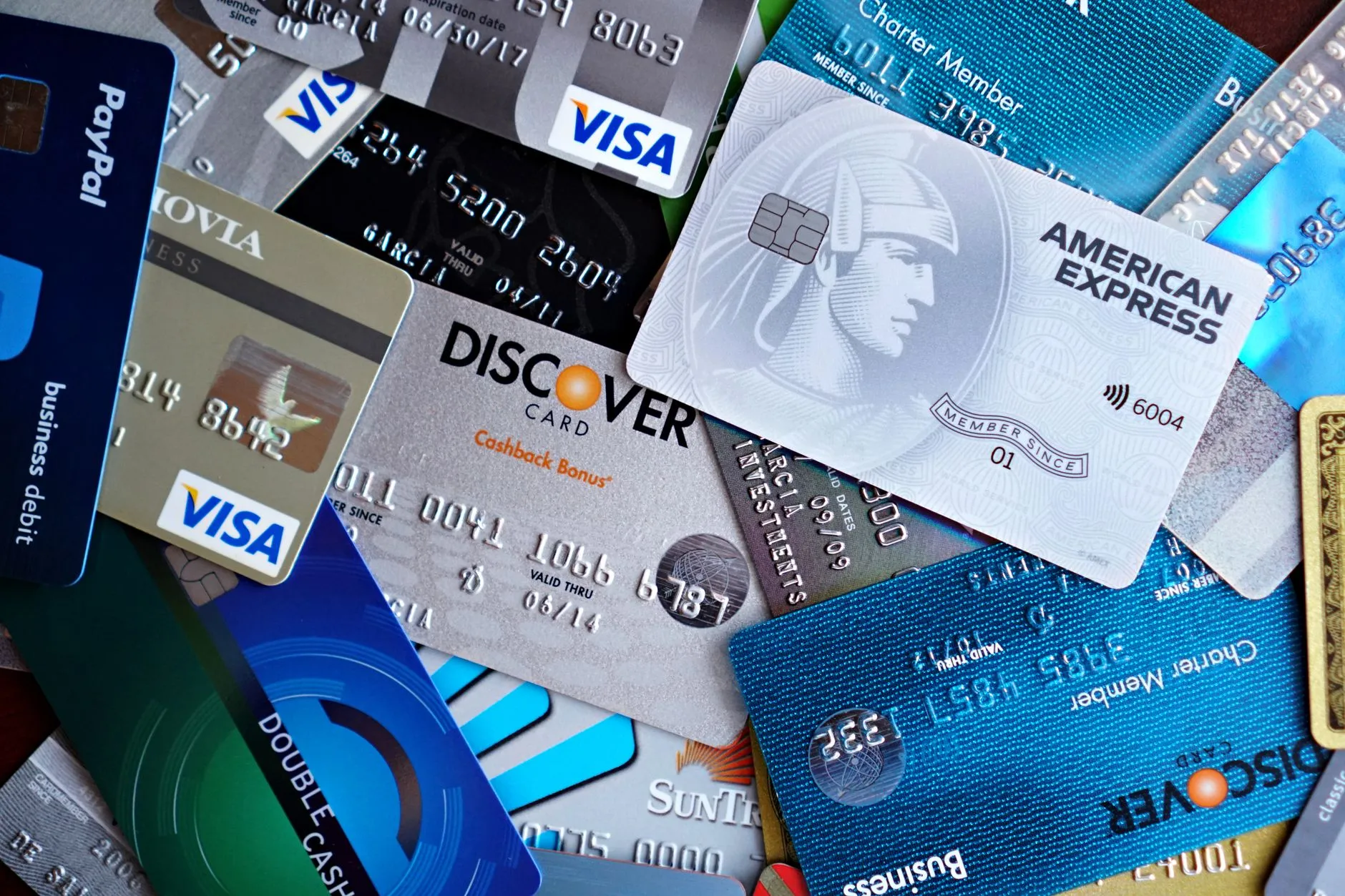
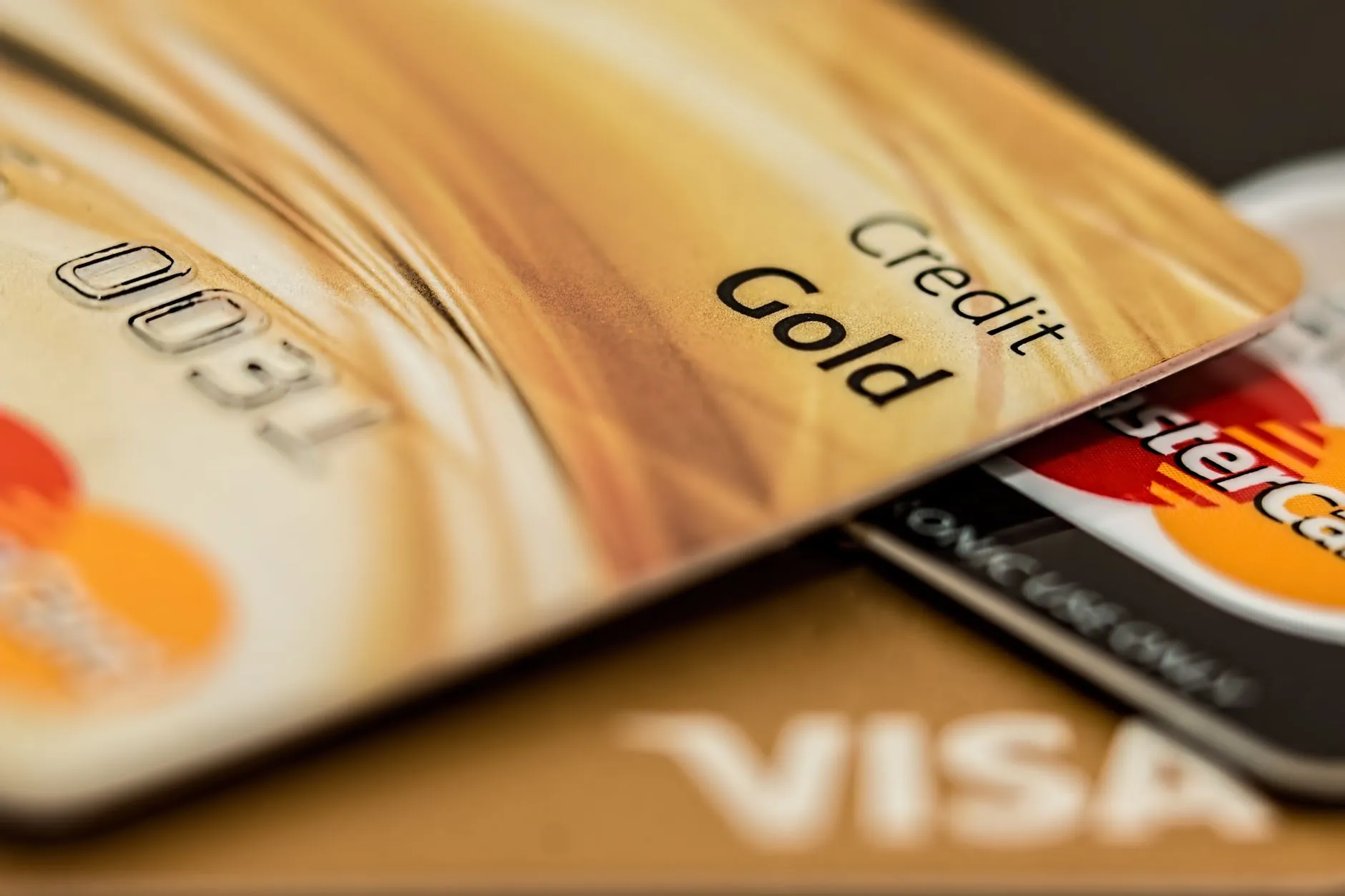
Visa and Mastercard are the two networks you will encounter most often. They are the payment networks, not the lenders: the bank or card company that issues your card decides your limit, your conditions and your fees. The network mainly determines where the card is accepted and which network-level benefits might apply.
What the network does and does not decide
- Acceptance: both networks are widely accepted in Austria and abroad, though small shops may still prefer cash or the local debit card.
- Benefits: some cards include travel insurance, purchase protection or extended warranty. These are set by the issuer and the card tier, so always read the insurance terms.
- Pricing: fees and interest are set by the issuer, not by Visa or Mastercard.
Other card brands exist, but Visa and Mastercard are the safest choice if broad acceptance is your priority.
Bank-Issued Cards vs Independent Card Providers
In Austria you can generally obtain a credit card in two ways: directly through your bank, or through a specialized card provider that is not your account-holding bank.
Cards from your own bank
Major Austrian banks such as Erste Bank, Raiffeisen, Bank Austria, Volksbank and BAWAG all offer credit cards, often bundled with an account package. The benefit is convenience: one relationship, one app, and sometimes preferential conditions if you hold several products. The drawback is that bundled cards may be priced as part of a package, which can make it harder to see what the card itself costs. If you are comparing banks, our guides to BAWAG P.S.K. and Volksbank Austria explain how those institutions approach everyday banking.
Cards from specialized providers
Some card companies issue cards independently of the bank that holds your account. These may offer different fee structures, bonus programs or travel features. The trade-off is that you manage another provider, another login and another repayment arrangement. Compare the full terms before deciding that a standalone card is better than a bank card.
How Billing and Repayment Work
Understanding the billing cycle is the single most useful thing you can learn before using a credit card. In simple terms, purchases are collected over a statement period, the issuer produces a statement, and you then settle the amount by a due date.
Full repayment vs partial repayment
Many Austrian cards let you choose between settling the whole balance and paying only part of it. Settling in full is generally the way to avoid interest charges, while carrying a balance usually triggers interest at the rate stated in your contract. Interest rates on revolving balances can be significant, so check the current rate and calculation method with the issuer before relying on a card for borrowing.
Direct debit from your account
It is common to link the card to your current account through a direct debit (SEPA mandate) so the statement amount is collected automatically. This reduces the risk of missing a payment, but you must keep enough money in the account on the collection date to avoid returned payments and possible charges.
What to Compare Before You Apply
Because I cannot quote current prices or rates, the safest approach is to build a comparison checklist and confirm each item with the official provider. These are the points that matter most:
- Annual fee: whether one exists, and whether it is waived under certain conditions.
- Foreign currency fee: how the card treats purchases outside the euro area, which is important if you travel to Switzerland or beyond.
- Cash withdrawal terms: cash advances on credit cards are often treated less favorably than normal purchases.
- Interest on unpaid balances: the rate and how it is calculated.
- Credit limit: set by the issuer based on your profile, not chosen by you.
- Insurance and protections: what is covered, under what conditions, and what exclusions apply.
- Contactless and mobile wallet support: whether the card works with the payment apps you already use.
- Rewards or bonus programs: whether they are genuinely useful for your spending or simply marketing.
If you spend a lot in Switzerland, it can also help to read about how Swiss credit cards differ, because currency and fee treatment can change from one country to another.
Using a Credit Card Safely
A credit card is a tool, not extra income. Used carefully, it can offer convenience and a degree of protection when you shop online or travel. Used carelessly, it can lead to expensive debt.
Habits worth building
- Review your statement every month and report unfamiliar transactions to the issuer promptly.
- Enable transaction notifications in your banking or card app.
- Use strong authentication for online purchases and never share codes or PINs.
- Treat the credit limit as the issuer's ceiling, not as a spending target.
- Keep your emergency savings separate rather than treating the card as a safety net.
If you are also considering investing alongside everyday spending, remember that card debt and investing do not mix well, because borrowing costs can outweigh market gains over time and investments always carry risk. Our guide on building wealth in Austria covers the saving side of that picture.

Who Might Benefit From a Credit Card in Austria
A credit card can make sense for several kinds of users, though it is never mandatory.
- Frequent travelers who need a card for hotels, rentals and international purchases.
- Online shoppers who want an extra layer between their merchant payments and their main account.
- Expats and newcomers who want to start a local credit history, subject to each lender's own policies.
- Budget-conscious users who like the monthly settlement rhythm and are disciplined about repaying in full.
If you are not confident about repaying on time, a debit card or a prepaid card may suit you better. There is nothing wrong with choosing the simpler option.
Final Thoughts
Choosing a credit card in Austria is less about finding a single best product and more about matching a card's terms to your real habits. Start by deciding why you want the card, then compare fees, foreign currency treatment, repayment options and protections using current information straight from the issuer. Approval is always the issuer's decision, and every product comes with conditions and risks, so read the contract carefully, ask questions, and only borrow what you can comfortably repay.

Ethan Kowalski
Personal finance writer based in Chicago, focused on credit cards, rewards programs, and consumer banking.