Germany's Girokonto Explained: How to Choose and Manage Your Everyday Current Account
Advertisement
Learn how the German Girokonto works, how to compare account models, avoid common fees and manage your daily money with practical, step-by-step tips.
Almost everything financial in Germany starts with a Girokonto. Your salary, your rent, your insurance premiums, your utility bills and your everyday card payments all run through this one account. Choosing it carefully and managing it well is one of the simplest ways to bring order to your personal finances. This guide explains how the Girokonto works, what to compare, and how to build a routine around it.

What a Girokonto Actually Is
A Girokonto is the standard current account in Germany. It is designed for payments rather than for saving. You receive income into it and send money out of it using transfers, direct debits and cards. Most residents hold at least one, and many landlords, employers and service providers expect you to have a German IBAN.
Typical features include a debit card, online and mobile banking, standing orders for recurring payments and the ability to authorise direct debits. Whether an overdraft is available, and on what terms, depends on the bank and on your personal situation.
Girokonto vs. Savings Account
A Girokonto is for money you will use soon. A savings account, often called a Tagesgeld account, is for money you want to set aside. Keeping these two roles separate is a core principle of good money management, and we return to it below.
The Main Types of Account Models
German banks offer several account models. Knowing the differences helps you avoid paying for features you will never use.
Branch-Based Accounts
Traditional providers such as the Sparkassen and the cooperative Volksbanken offer in-person service, local advisers and branch networks. If you value face-to-face support, you may prefer this model. Read our guides to LBBW and DZ Bank to understand the institutions behind many regional banks.
Direct Banks
Direct banks operate mostly online and by app. They often position themselves as lower-cost options for people comfortable handling everything digitally. If you want an investing-friendly setup alongside your daily account, our overview of Comdirect shows how one provider combines both.
Mobile-First Providers
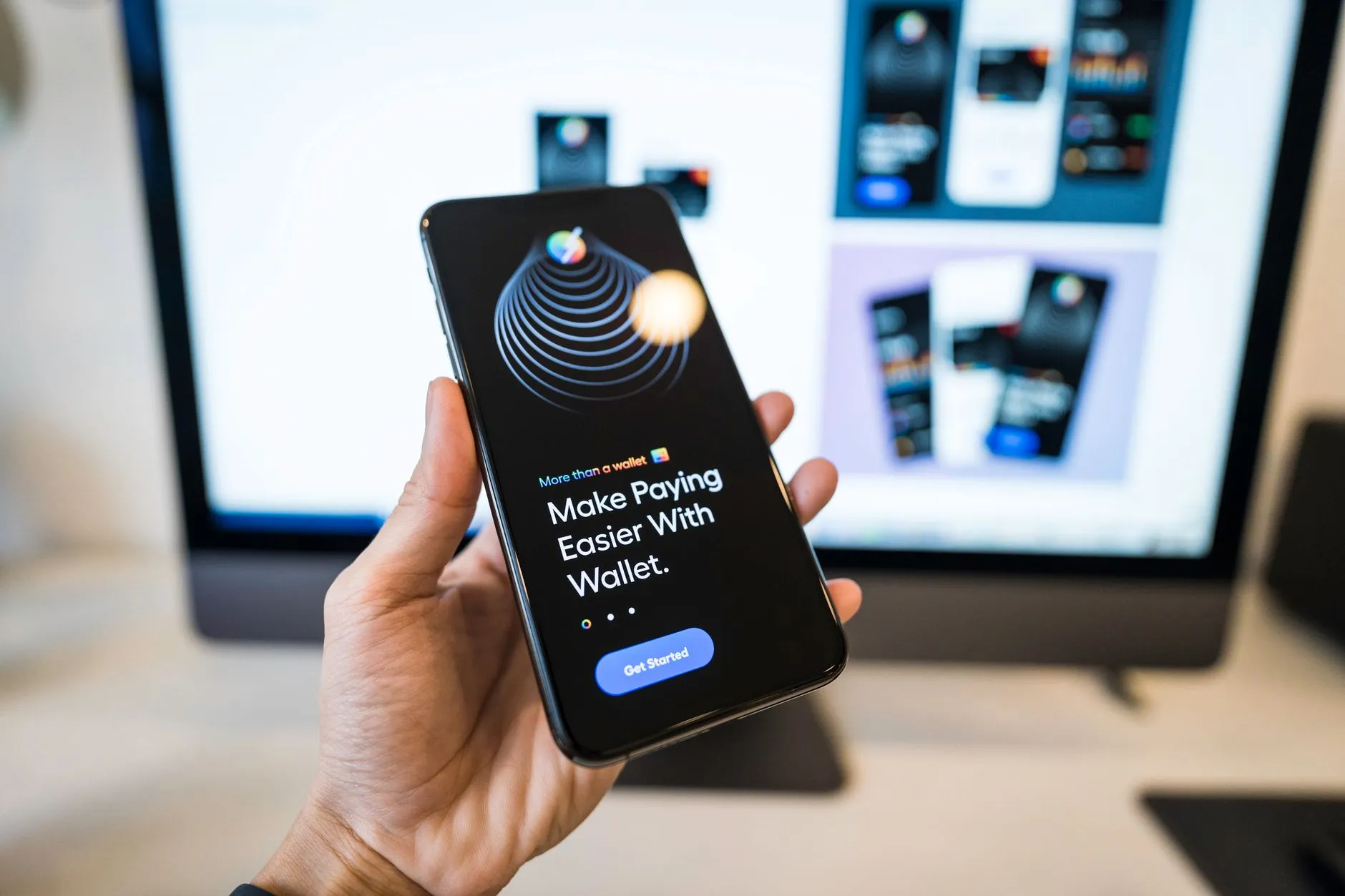
App-centred banks focus on instant notifications, simple onboarding and in-app controls. They can suit people who want to see spending in real time. Check each provider's current conditions, deposit protection details and supported features before you decide.
What to Compare Before You Open an Account
Do not rely on advertising. Compare the following points directly on the provider's official price list and terms.
- Account maintenance fee: Some accounts are free under certain conditions, such as a regular incoming salary. Check what the condition is and what happens if you no longer meet it.
- Card fees: Ask what the debit card costs and whether a credit card is included or optional.
- Cash withdrawals: Find out which ATM network you can use without charge and what happens at other machines.
- Overdraft terms: An overdraft facility, often called Dispokredit, can be very expensive if used regularly. Read the interest terms carefully.
- Digital features: Look at the app, support for mobile payments, instant transfers and how easy it is to freeze a card.
- Customer service: Consider whether you need a branch, a phone line or chat support.
Every provider sets its own prices and conditions, and they change over time. Always confirm the current values with the bank itself.
Understanding Direct Debits, Standing Orders and Transfers
Three payment tools do most of the work in a Girokonto, and understanding them prevents expensive surprises.
Direct Debit (Lastschrift)
With a SEPA direct debit, you authorise a company to collect money from your account. This is common for rent, phone contracts and gym memberships. You generally have the right to dispute an unauthorised direct debit within a limited period, so review your statements regularly and ask your bank about the exact rules.
Standing Order (Dauerauftrag)
A standing order sends a fixed amount at regular intervals that you define. It is ideal for rent or for automatic transfers into savings.
One-Off Transfers
For single payments, you enter the recipient's IBAN. Double-check it carefully, because mistakes can be hard to reverse.
A Practical Way to Structure Your Money
A Girokonto becomes much more useful when you assign it a clear job. One simple approach is the following.
- Receive your income in the Girokonto.
- Pay fixed costs first. Rent, insurance, energy and subscriptions leave through direct debits and standing orders shortly after payday.
- Move savings immediately. Set a standing order to a separate savings account so that saving happens before you can spend the money.
- Keep a spending buffer. What remains is your flexible money for groceries, transport and leisure.
This sequence supports the idea of paying yourself first. If you want to take it further and plan long-term investing, see our guide to investing in Germany.
Consider Using Two Accounts
Many people find it helpful to run two current accounts: one for fixed bills and one for daily spending. This separates obligations from discretionary money and makes it easier to see how much is genuinely available. It is optional and depends on how many accounts you are comfortable managing.
Common Mistakes to Avoid
- Living in the overdraft. An overdraft is meant for short-term gaps, not for routine spending. It can become costly if it becomes habitual.
- Ignoring conditions on free accounts. A free account may stop being free if you change jobs or lose a qualifying feature.
- Leaving idle cash in the current account. Money you do not need soon may be better placed in a savings account, depending on current offers.
- Not reviewing statements. A quick monthly check helps you catch forgotten subscriptions and unauthorised payments.
- Sharing banking credentials. Never share PINs, TANs or app approvals with anyone, including callers who claim to be from your bank.
Protecting Your Account From Fraud
Phishing and impersonation scams are a real risk for current account holders. Banks do not ask you to share your full PIN or confirmation codes by email, text message or phone. Use strong, unique passwords, enable two-factor authentication and approve only transactions you recognise. If something looks suspicious, contact your bank through the official number in its app or on its website and ask about its process for blocking cards.
Deposit Protection and Safety
Deposits at banks in Germany are covered by statutory and, for many institutions, additional voluntary protection schemes. The coverage limit and the exact rules can change, so check the official information from your bank and from the relevant protection scheme rather than relying on a general summary.
Switching Your Girokonto
If you want to change providers, Germany has a standardised account switching service. Your new bank can usually help transfer your standing orders and direct debits, which reduces the effort. Keep your old account open until you are sure that your salary, rent and other payments have all moved across, and remember that cancellation terms differ between providers.
Final Thoughts
The best Girokonto is the one that fits how you actually live: how you get paid, how you pay, whether you want a branch or an app, and what you are willing to pay for. Compare official price lists, understand the conditions behind any free offer, and build a simple routine around fixed costs, savings and spending. Approval for any account or overdraft is always the bank's decision, and every financial product carries conditions and risks, so read the terms carefully and ask the provider directly before you commit.

Nathan Beaulieu
Toronto-based financial journalist specializing in Canadian credit cards, investing, and household finance.