Swiss Credit Card Basics: How to Choose Between Visa, Mastercard and Bank-Issued Cards in Switzerland
Advertisement
Choosing a credit card in Switzerland? Learn how Visa, Mastercard and bank-issued cards differ, which features matter, and how to compare offers wisely.
Switzerland has a payment culture that surprises many newcomers. Cash remains widely used, debit cards are everywhere, and credit cards are often treated as a convenience tool rather than a borrowing product. If you live in Switzerland or are about to move there, understanding how credit cards work locally helps you pick a product that fits your habits instead of simply accepting the first offer from your bank.

How Credit Cards Fit Into Swiss Daily Life
In Switzerland, many residents rely on a bank debit card for everyday purchases and keep a credit card for online shopping, hotel and car rental bookings, and travel abroad. Some merchants, particularly smaller shops and restaurants, may still prefer cash or debit, so it pays to carry more than one payment method.
Swiss credit cards are frequently offered as a package alongside a current account at a bank, a retailer, or an insurer. This bundling means the card you are offered is often shaped by the relationship you already have. It is worth comparing it with standalone alternatives before you commit.
Visa vs Mastercard: What Is the Real Difference?
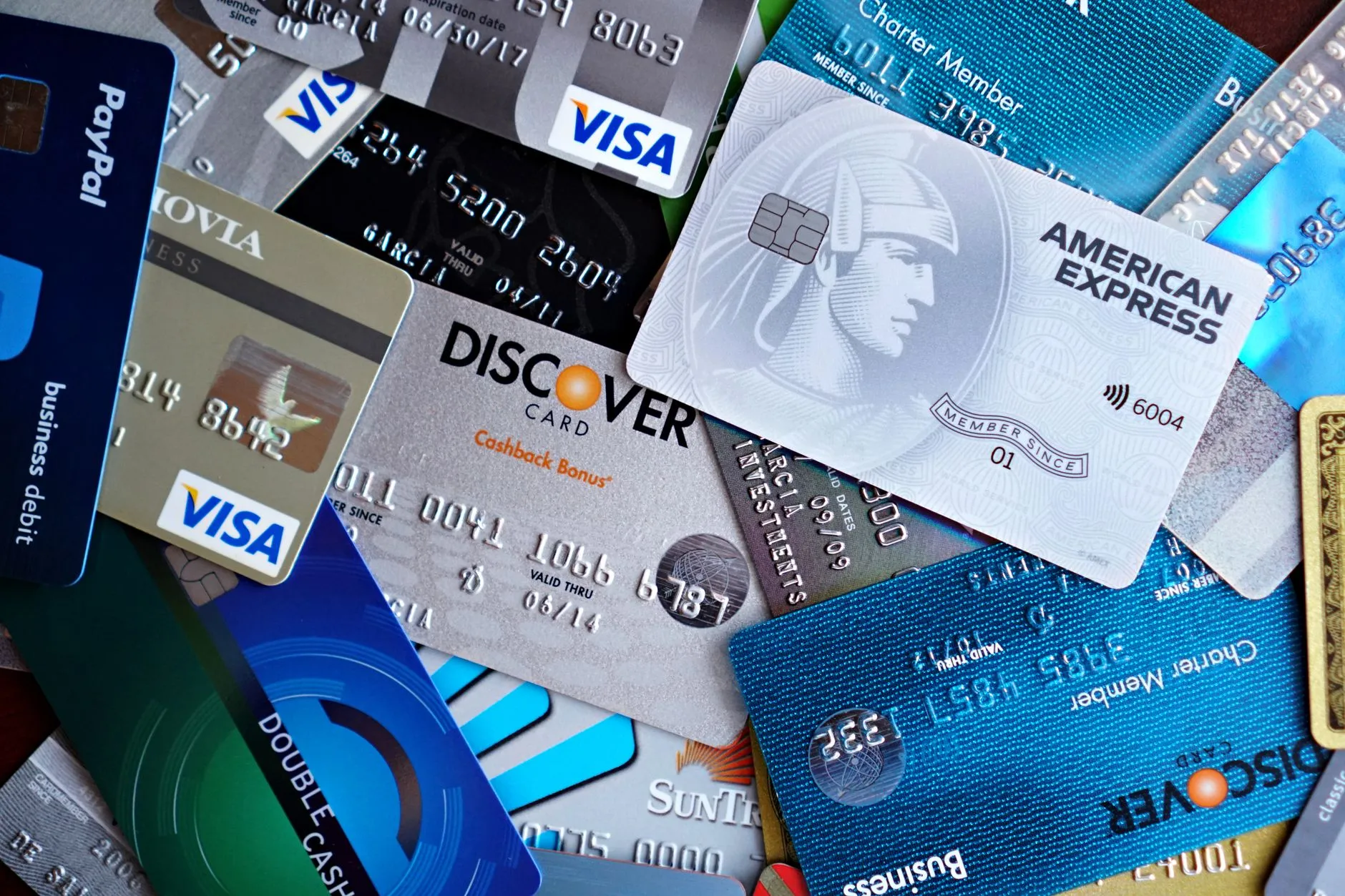
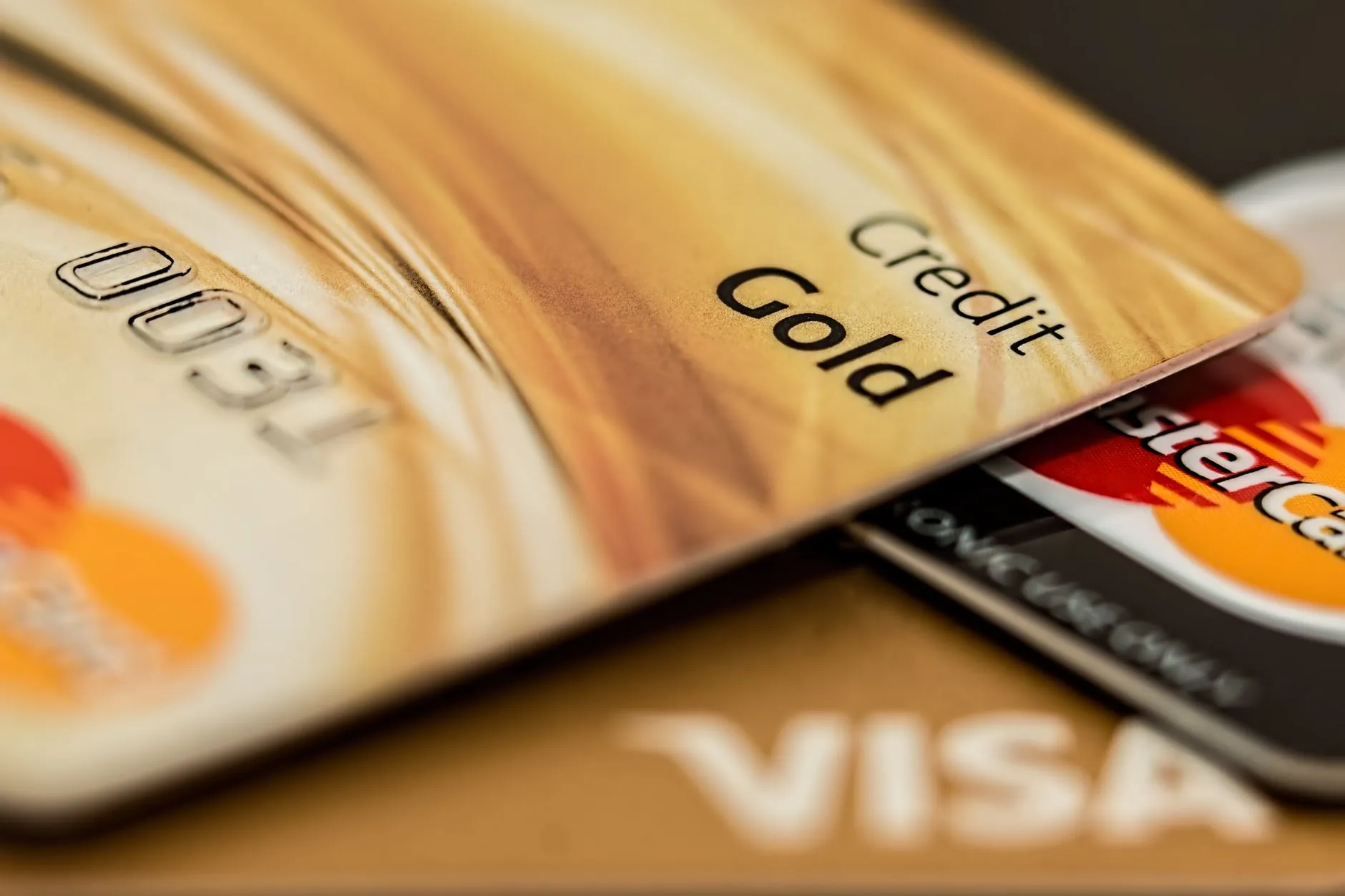
Visa and Mastercard are payment networks, not lenders. They provide the infrastructure that lets your card work at merchants and ATMs, while the issuing bank or card company decides your limit, conditions and fees. For most everyday purposes, the two networks work almost identically in Switzerland and abroad.
What the Network Changes
- Acceptance: both networks are widely accepted, but individual merchants occasionally favor one over the other, especially abroad.
- Network-linked benefits: some travel insurance, purchase protection or concierge services are tied to the card tier rather than the network, so always read the issuer's terms.
- Currency conversion: the network sets an exchange rate, but your issuer may add its own foreign-currency surcharge. Check the current terms with your provider.
What the Network Does Not Change
The network does not determine your interest rate, annual fee, rewards structure or approval decision. Those are all set by the issuer. A Visa from one provider can be very different from a Visa from another.
Bank-Issued Cards vs Card Company and Retailer Cards
In Switzerland you generally encounter three types of credit card providers.
Bank-Issued Cards
Cantonal banks, cooperative banks and major institutions all offer credit cards, often linked to your account for easy statement settlement. The advantage is convenience: one relationship, one app, and sometimes preferential conditions for existing customers. If you already bank with a cantonal institution, you may find our guide to Zürcher Kantonalbank useful for understanding what such banks typically offer.
Specialist Card Companies
Dedicated card issuers often provide a wider range of products, including premium travel cards, and may offer cards without requiring a particular bank account. They can be a good fit if you want features that your main bank does not provide.
Retailer and Loyalty Cards
Some of the most popular cards in Switzerland are tied to retail loyalty programs. These reward spending at a specific retailer or group of partners through points or vouchers. For a practical example of how this model works, read our explainer on the Migros Bank Cumulus Mastercard. Loyalty cards can be valuable if you already shop with the retailer, but less so if you would need to change your habits to benefit.
Key Features to Compare Before You Apply
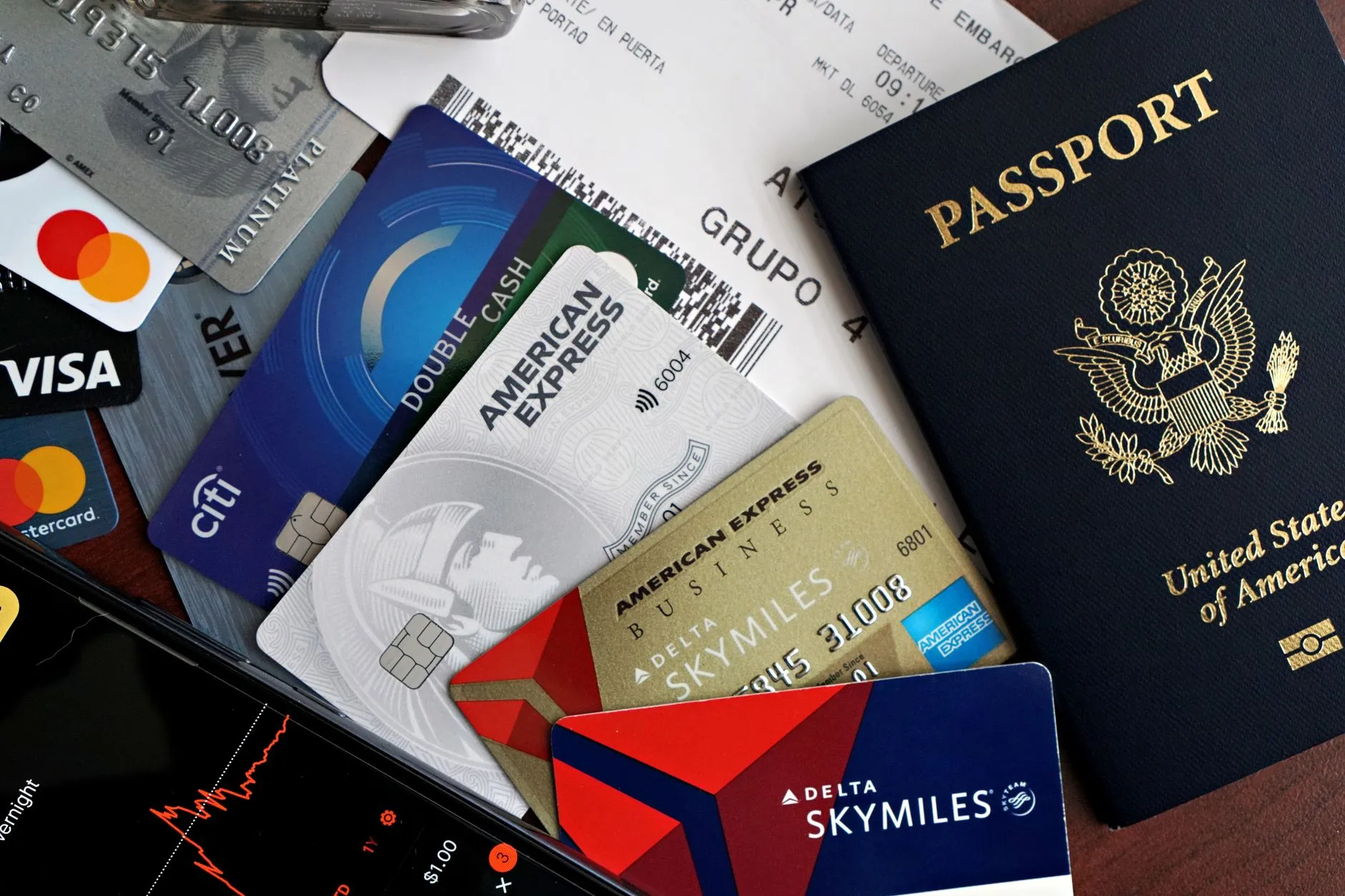
Because conditions change frequently, avoid relying on headline marketing and check the official terms of each provider. These are the features that deserve your attention.
- Annual fee: some cards charge none, others charge for premium tiers. Ask whether any fee is waived under certain conditions.
- Foreign-currency surcharge: important if you travel or shop online from foreign merchants.
- Cash withdrawal costs: using a credit card at an ATM is usually costly and rarely advisable.
- Billing and interest: understand how the statement works, when payment is due, and how interest is charged if you do not pay in full.
- Rewards structure: points, cashback or vouchers, and any limits or expiry rules attached to them.
- Insurance and protection: travel insurance, purchase protection and rental car cover vary widely and often come with conditions and exclusions.
- Card limit and flexibility: the issuer decides your limit based on its own assessment of your situation.
Credit Cards, Debit Cards and Prepaid Options
A credit card lets you spend on credit and settle later, while a debit card takes money directly from your account. Prepaid cards sit in between: you load funds first and spend only what you have loaded. For budget-conscious users, prepaid or debit cards can reduce the risk of overspending, whereas credit cards offer stronger protection for online purchases and bookings.
Whichever you choose, the discipline matters more than the plastic. If you tend to overspend, a credit card can become expensive. Our article on building wealth through saving and investing shows how consistent habits matter more than any single product.
Using a Swiss Credit Card Responsibly
Pay the Statement in Full
Credit card interest is typically one of the more expensive ways to borrow. If you treat the card as a payment tool and settle the balance each period, you avoid most of the cost. Set up an automatic payment from your current account to make this easier.
Watch Foreign Transactions
When paying abroad, you may be offered the choice to pay in your home currency or the local one. The conversion offered at the terminal is often less favorable than letting your card issuer convert. Compare current conditions with your provider before travelling.
Protect Your Card Details
Use strong authentication for online payments, keep your app and device updated, and report lost or stolen cards immediately through your issuer's official channel. Review your statements regularly so you can spot unfamiliar transactions quickly.
Applying for a Card in Switzerland
Providers assess applications individually, and approval is always the issuer's decision. They typically consider your residence status, employment situation, income stability and existing obligations. Newcomers may find that a limited residence history affects their options, which is why some start with a debit or prepaid card and apply for a credit card later.
Avoid submitting many applications at once. Each application may be recorded, and repeated requests can be viewed negatively by providers. Choose a few suitable products, read the full conditions, and apply deliberately.
Credit Cards and Your Wider Finances
A credit card should support your financial plan rather than shape it. Before adding one, make sure your budget is stable and that you understand your long-term goals, including retirement. If you are still building your foundations, our guides to the Swiss three-pillar pension system and Pillar 3a savings explain how to prioritize long-term security.
Final Thoughts
Choosing a credit card in Switzerland is less about picking Visa or Mastercard and more about matching the issuer's features to how you actually spend. Compare fees, foreign-currency terms, rewards and protections directly with official providers, remember that every product carries conditions and risks, and use credit as a tool you control rather than a source of unplanned debt.

Lauren Hartwell
Brooklyn-based money management columnist covering budgeting, saving, and everyday financial habits.