Erste Bank Austria: Complete Guide to One of Austria's Most Trusted Banks
Advertisement
Discover Sparkasse Austria: savings accounts, loans, and everyday banking explained. Learn who it's for and how it compares to other Austrian banks.
Sparkasse Austria: The Nation's Savings Bank Network Explained
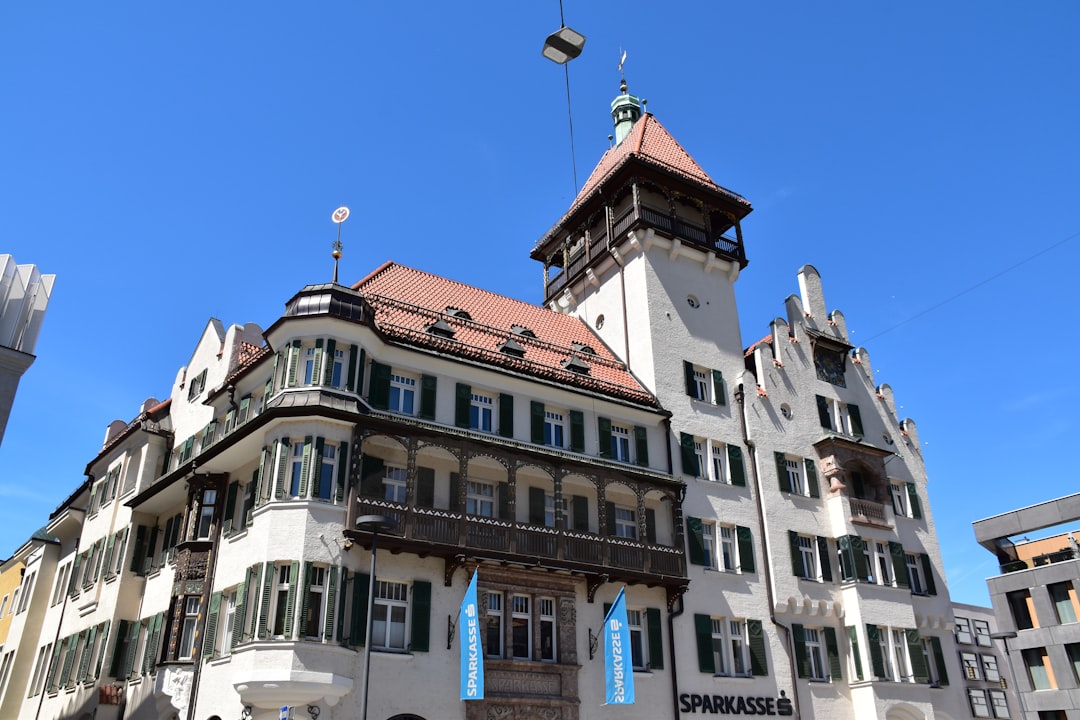
When Austrians think of saving, the name Sparkasse comes to mind almost instinctively. As one of the oldest and most deeply rooted banking networks in the country, Sparkasse has served millions of Austrian households, small businesses, and municipalities for well over two centuries. With a presence stretching from Vienna to the smallest alpine villages, the Sparkasse group is not a single bank but a network of regional savings banks united under a shared brand, shared values, and a common mission: to keep money working for the communities it serves.
This guide breaks down everything you need to know about banking with Sparkasse in Austria — from the accounts and products on offer to fees, digital services, and who this bank is truly best suited for.
A Brief History of Sparkasse in Austria
The Sparkasse concept was born in the early 19th century as a response to widespread poverty and financial exclusion. The first Austrian savings bank, Erste österreichische Spar-Casse, was founded in Vienna in 1819 — the same institution that would eventually evolve into Erste Bank, now a strategic partner at the head of the Sparkasse group. Over the following decades, independent regional savings banks (Sparkassen) were established across every Austrian province, each operating with a strong focus on local reinvestment and financial inclusion.
Today, the Austrian Sparkasse Group encompasses over 40 individual regional banks, all operating under the Sparkasse name and cooperating through a shared infrastructure. This decentralized model means your experience may vary slightly depending on which regional Sparkasse you bank with, but core products and digital services are broadly consistent across the group.
Account Options for Everyday Banking
Sparkasse Austria offers a range of current accounts (Girokonten) designed to cover different customer segments. Most regional Sparkassen offer at least three tiers:
Basic Account (Basiskonto)
Austrian law requires banks to offer a basic payment account to all legal residents, regardless of their financial history. Sparkasse complies fully with this regulation. The Basiskonto allows account holders to make deposits, receive transfers, and pay bills — ideal for those who need essential banking access without frills. Monthly fees are typically low and capped by regulation.
Standard Current Account
The standard Girokonto is the most popular option. It typically includes a debit card (Maestro or Debit Mastercard), access to online and mobile banking, and the ability to set up standing orders (Daueraufträge) and direct debits (Einzugsermächtigungen). Monthly fees vary by region but generally range from around €3 to €8, depending on the package and whether conditions like a minimum monthly income are met.
Premium Account Packages
For customers who want more, Sparkasse offers premium bundles that may include a credit card, travel insurance, extended overdraft facilities, and priority service. These packages appeal to frequent travelers, families, and small business owners who value convenience bundled under one monthly fee.
Savings Products: A Core Strength
True to its roots, Sparkasse Austria excels in savings products. The range typically includes:
- Sparbuch (Passbook Savings Account): A classic Austrian savings instrument, still widely used. Funds are accessible with a short notice period, and interest rates — while modest — are guaranteed. The Sparbuch remains popular among older Austrians and those saving for specific goals.
- Fixed-Term Deposits (Festgeld): For savers willing to lock in money for 3, 6, 12, or 24 months, Sparkasse offers fixed-term deposits with higher interest rates than standard savings. These have become increasingly attractive as interest rates across the eurozone have shifted upward in recent years.
- Youth Savings Accounts: Sparkasse places strong emphasis on financial education and offers dedicated accounts for children and teenagers, often with bonus interest rates and no monthly fees. These products reinforce the bank's community-first ethos.
Loans, Mortgages, and Consumer Credit
Sparkasse is a full-service retail bank, and lending is a major part of its offering. Whether you're buying a home, renovating an apartment, or financing a car, you'll find a relevant product in the Sparkasse catalogue.
Home Loans (Wohnbaukredit)
Mortgage financing through Sparkasse is among the most commonly used in Austria. The bank offers both fixed-rate and variable-rate mortgages, with terms typically ranging from 10 to 30 years. Customers benefit from in-person advisory services at local branches — a meaningful advantage for first-time buyers navigating complex lending decisions. Sparkasse also works in conjunction with state housing subsidy programs (Wohnbauförderung), which can significantly reduce borrowing costs.
Personal Loans
Consumer loans are available for amounts typically starting around €1,000, with repayment terms up to several years. Interest rates are competitive and can sometimes be reduced by bringing salary payments into a Sparkasse account. Applications can be initiated online or in branch, depending on the regional bank.
Digital Banking at Sparkasse
Sparkasse has invested substantially in its digital infrastructure in recent years. The George banking platform — developed by Erste Group and shared across the Sparkasse network — is now one of the most widely used digital banking interfaces in Austria.
George offers a clean, intuitive interface available both on desktop and mobile. Key features include real-time transaction notifications, budget categorization tools, payment scheduling, and integration with third-party financial apps. George also supports open banking features under PSD2, allowing customers to view accounts from other banks within a single dashboard.
Compared to purely digital challengers, Sparkasse's app is solid rather than cutting-edge — but it covers all everyday needs and continues to improve with regular updates. If you're used to the slicker interfaces of fintech newcomers, there may be a slight adjustment period. However, for most Austrian households, George delivers everything required for comfortable day-to-day management.

Branch Network and Customer Service
One area where Sparkasse genuinely stands out is its branch presence. With hundreds of locations across Austria, it remains one of the most physically accessible banks in the country — particularly in rural areas where digital-only banks like Germany's DKB or other challengers simply cannot compete on a local level.
Customer service quality is generally well regarded, with advisors trained to handle everything from basic account queries to complex wealth planning. For expats or newcomers to Austria, having access to a local branch with in-person guidance can be invaluable, especially for mortgage consultations or navigating Austrian financial regulations for the first time.
Fees and Transparency
Fee structures at Sparkasse vary across regional banks, which can make direct comparisons tricky. However, as a general rule, monthly account fees are clearly disclosed and the bank complies with all Austrian and EU transparency regulations. Customers are entitled to a standardized fee information document (Entgeltinformation) before opening any account, making it easy to compare costs before committing.
ATM withdrawals from Sparkasse machines and partner banks within the network are generally free. Withdrawals from machines outside the network may incur small charges, so frequent travelers should check their specific regional bank's policy.
Who Is Sparkasse Austria Best Suited For?
Sparkasse is an excellent fit for a wide range of customers, but it is particularly well matched for:
- Families and households who value in-person service, local expertise, and comprehensive product ranges under one roof.
- Retirees and older savers who prioritize stability, branch access, and traditional savings products like the Sparbuch.
- First-time homebuyers who benefit from hands-on mortgage advisory and access to state subsidy programs.
- Young people and students looking to establish strong financial foundations through dedicated youth account programs.
Those primarily seeking zero-fee digital banking or cutting-edge investment tools may find more satisfaction elsewhere. Customers interested in comparing other cooperative banking models in the region might also explore the Raiffeisen Bank Austria guide or review the BAWAG P.S.K. overview for contrast.
Final Verdict
Sparkasse Austria is not the flashiest bank on the market, nor does it need to be. Its strength lies in its deep community roots, reliable products, widespread branch access, and a digital banking platform that continues to mature. For the millions of Austrians who value personal relationships with their bank alongside solid, dependable financial products, Sparkasse remains one of the most complete choices in the country.
Whether you're opening your first account, planning a major loan, or simply looking for a savings bank with a proven track record, Sparkasse delivers — quietly, consistently, and with the confidence that comes from more than two centuries of serving Austrian communities.

Ethan Kowalski
Personal finance writer based in Chicago, focused on credit cards, rewards programs, and consumer banking.