
PostFinance Switzerland: Complete Guide to the Swiss Post's Banking Arm
Advertisement
Discover PostFinance Switzerland: accounts, fees, digital banking, and who it suits best. Your complete guide to Switzerland's postal bank.

What Is PostFinance?
PostFinance is Switzerland's fourth-largest financial institution by balance sheet and one of the most recognized banking brands in the country. Originally the financial arm of Swiss Post (Die Schweizerische Post), PostFinance has operated as a fully independent subsidiary since 2013 and serves millions of private and business customers across Switzerland.
Unlike traditional cantonal or cooperative banks, PostFinance has a uniquely democratic reach — with branches inside post offices in virtually every town and village in the country, the bank is accessible even in rural areas where other institutions may not have a physical presence. Combined with strong digital tools, this makes PostFinance a popular choice for everyday banking, savings, and investments.

PostFinance Account Types
PostFinance offers a range of accounts designed for different customer needs, from basic everyday accounts to premium packages with added benefits.
Private Account (Privatkonto)
The Private Account is PostFinance's standard current account, designed for daily transactions. It allows you to receive salary payments, set up standing orders, make SEPA and domestic transfers, and use a Debit Mastercard for shopping and ATM withdrawals. The account is available in CHF, and the monthly fee is currently CHF 5 for standard users (fee waivers apply under certain conditions, such as a minimum balance or a salary deposit relationship).
Smart Account
The Smart Account is PostFinance's entry-level digital account, aimed at younger customers or those who want a streamlined, app-based banking experience with a lower fee structure. It comes with access to the PostFinance App, a Debit Mastercard, and basic payment services. This account is popular among students and digital-first users who rarely need in-branch services.
E-Account (Savings)
For customers looking to build up savings, PostFinance offers an E-Account — a simple, no-frills savings account linked to your main account. While Swiss interest rates have historically been very low, the E-Account remains useful for separating spending money from savings and can be managed entirely through online banking or the app.
Youth and Junior Accounts
PostFinance has dedicated account options for younger customers, including free accounts for minors and favorable terms for those under 26. These accounts help families introduce children to banking early, with parental oversight tools available through the app.
PostFinance Cards
PostFinance issues both debit and credit cards, giving customers flexibility in how they pay.
PostFinance Card (Debit Mastercard)
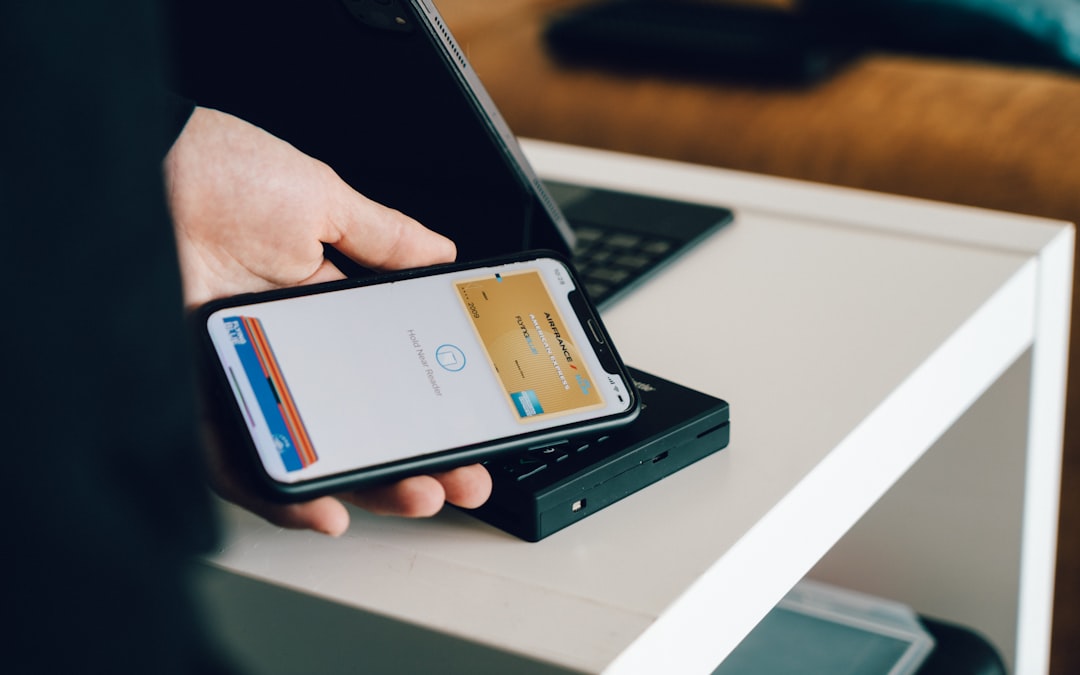
The standard PostFinance Card is a Debit Mastercard, accepted worldwide at millions of merchants. It supports contactless payments, Apple Pay, Google Pay, and TWINT (Switzerland's popular mobile payment platform). Withdrawals at PostFinance ATMs are free; fees apply at third-party ATMs.
PostFinance Visa and Mastercard Credit Cards
PostFinance offers several credit card options in partnership with Viseca, including Classic, Gold, and Platinum tiers. These come with the standard benefits expected at each tier — travel insurance, purchase protection, and concierge services for Platinum holders. Annual fees vary from around CHF 50 for Classic up to CHF 300 or more for Platinum cards. PostFinance credit cards can also be enrolled in the PostFinance Points loyalty program, which allows cardholders to earn points on purchases and redeem them for rewards, travel, or partner discounts.
Digital Banking at PostFinance
PostFinance has invested significantly in its digital infrastructure. The PostFinance App is rated highly in Swiss app stores and offers a clean, intuitive interface for managing accounts, transferring money, paying bills via QR invoice (the Swiss standard for e-billing), and monitoring expenses.
The bank also fully supports TWINT, Switzerland's dominant mobile payment app, which allows peer-to-peer transfers, in-store QR payments, and online checkout. TWINT is deeply embedded in Swiss daily life, and PostFinance customers benefit from seamless integration between their account and the TWINT ecosystem.
For those interested in building wealth digitally, PostFinance offers e-trading through its PostFinance Trading platform, giving account holders access to Swiss and international stock exchanges, ETFs, bonds, and structured products — all from within their existing banking relationship. If you're weighing up investment options, it's worth reading our guide on ETF vs Index Fund: What Beginners Need to Know Before Investing before diving in.
PostFinance Fees: What to Expect
PostFinance is not entirely a free bank — fees apply to most accounts, and Swiss banking in general tends to be more expensive than what customers in neighboring countries might expect. Here is a general breakdown of what you can expect:
- Monthly account fee: CHF 0–5 depending on account type and conditions
- Debit Mastercard: Typically included in the account fee
- Domestic transfers: Free via e-finance or the app
- International transfers (SEPA/SWIFT): Fees apply, varying by destination and amount
- ATM withdrawals (PostFinance ATMs): Free
- ATM withdrawals (third-party): CHF 2 or more per transaction
- Paper statements: Additional fee applies
PostFinance has historically offered fee waivers for customers who meet certain criteria, such as maintaining a minimum balance or having their salary paid into the account. It is worth reviewing current terms on the PostFinance website to see which waiver conditions apply to your situation.
PostFinance vs. Other Swiss Banks
When comparing PostFinance to other major Swiss institutions, a few differences stand out. Unlike UBS Switzerland or the now-transformed Credit Suisse, PostFinance is not a universal bank — it cannot issue mortgages or business loans directly (a legal restriction that has been under ongoing political debate in Switzerland). This makes it less suitable for customers seeking a full-service banking relationship that includes lending.
On the other hand, PostFinance excels in accessibility, digital tools, and everyday payment services. Its TWINT integration, broad ATM network, and nationwide branch presence give it advantages over purely digital competitors. Customers who want a straightforward account for daily transactions, savings, and investments — without the complexity of a major private bank — often find PostFinance more than adequate.
For those curious about how cooperative banking works differently in Switzerland, our guide on Raiffeisen Bank Switzerland provides a useful comparison. And if you've been following changes in the broader Swiss banking landscape, our article on the Credit Suisse collapse and what Swiss banking looks like today offers important context.
Who Is PostFinance Best For?
PostFinance is a strong choice for a wide range of customers, but it is particularly well-suited to:
- Swiss residents seeking reliable everyday banking — especially those who value physical accessibility in smaller towns
- Young adults and students — the Smart Account and youth account options are competitively priced
- Digital-first users — the app and TWINT integration make it easy to manage money without visiting a branch
- Investors getting started — PostFinance Trading provides a straightforward entry point for stock and ETF investing
- Expats and new residents — account opening is relatively accessible, and PostFinance's widespread presence makes it easy to find support
PostFinance is less ideal for customers who need mortgage financing, complex business banking, or private banking services, where institutions like UBS, Raiffeisen, or cantonal banks may be better equipped.

How to Open a PostFinance Account
Opening a PostFinance account can be done online, via the PostFinance App, or at any post office. New customers will need to provide a valid identity document (passport or Swiss ID), proof of Swiss residence, and in some cases a tax identification number. The process is generally straightforward and can be completed digitally for most standard accounts, with identity verification done via video call or in person at a post office.
Final Verdict
PostFinance occupies a unique position in Swiss banking — not quite a traditional bank, not quite a digital-only neobank, but something in between. Its combination of physical accessibility, robust digital tools, TWINT integration, and investment services makes it a versatile everyday banking solution for most Swiss residents. While the inability to offer mortgages or direct loans limits its appeal for some customers, for the majority looking for a dependable, easy-to-use account with nationwide reach, PostFinance remains one of Switzerland's most practical banking choices.
As Swiss banking continues to evolve — with digital transformation accelerating across all major institutions — PostFinance is well-positioned to remain relevant and competitive in the years ahead.

Nathan Beaulieu
Toronto-based financial journalist specializing in Canadian credit cards, investing, and household finance.