Anúncios
If you have ever checked your bank account and thought, “How did I spend that much?”, you are far from alone. Overspending is rarely just about numbers or a lack of discipline. It is tied to how your brain is wired, how you handle stress, and the environment that constantly encourages you to buy more. Ads, influencers, sale notifications and one-click checkout buttons turn spending into something almost effortless, while long-term goals like saving or paying off debt feel distant and abstract.
At the same time, many Americans live with ongoing financial stress, which can push them toward impulse purchases that offer quick relief but create more pressure later. This article explores what happens in your brain when you spend, which emotional triggers make you more vulnerable, how modern tools like digital payments and social media amplify those tendencies, and how you can use psychological insights to change course.
By the end, you will have practical strategies to regain control of your money without relying on willpower alone.
Why Overspending Feels So Good in the Moment

Overspending often begins with a simple reality: spending feels good, at least right away. When you buy something new, your brain releases dopamine, a chemical linked to pleasure and reward. That rush can temporarily ease boredom, stress or sadness, which is why “retail therapy” feels comforting in the short term. Over time, your brain learns to connect shopping with relief and control, so even thinking about buying something can start to lift your mood.
From the perspective of overspending psychology, this creates a powerful habit loop. You feel a difficult emotion, you shop, you experience a brief sense of escape, and your brain stores that pattern as a solution. The problem is that the relief fades quickly, but the bill remains. If shopping becomes your default coping strategy, the loop strengthens and can gradually turn into chronic overspending, high balances and a sense that your finances are always a step behind your life.
Emotional Triggers That Quiet Your Financial Logic
Money decisions are rarely purely logical. Many people overspend when they are stressed about work, lonely after a breakup, frustrated with family responsibilities or anxious about the future. Those emotional states narrow your focus to short-term comfort instead of long-term security. In everyday overspending psychology, this pattern is often called emotional spending: you are not buying just the item, but a feeling such as status, control or connection.
Common emotional triggers include celebrating good news, trying to keep up with friends, rewarding yourself for working hard, or numbing uncomfortable feelings after a bad day. Social media can intensify these triggers by constantly showing lifestyle images, unboxing videos and limited-time deals.
When emotions run high, your brain is more likely to reach for the fastest source of relief instead of the smartest financial choice. Recognizing which feelings usually lead you to open shopping apps or swipe your card is a crucial first step toward changing the story.
Cognitive Biases That Nudge You to Spend More

Overspending is also shaped by mental shortcuts your brain uses to make decisions quickly. These shortcuts, known as cognitive biases, usually operate in the background. Some of the most common include:
- Present bias: giving more importance to immediate pleasure than to future consequences, which makes saving feel less rewarding than buying now.
- Anchoring: being heavily influenced by the first price you see, so “discounted” items feel like a bargain even if they are still expensive.
- The sunk-cost effect: continuing to pay for subscriptions, memberships or hobbies you no longer use, simply because you have already invested money in them.
Seen through the lens of overspending psychology, these biases gently push you toward choices that feel reasonable in the moment but slowly chip away at your long-term plans. Marketers understand these tendencies and design prices, bundles, loyalty rewards and “limited time” offers to nudge you toward bigger carts and upgrades.
When cognitive biases mix with strong emotions and constant exposure to ads, overspending becomes less about personal weakness and more about predictable human behavior in a carefully engineered environment.
A Perfect Storm: Technology, Social Media and Easy Credit
The modern financial landscape makes it easier than ever to overspend without fully noticing. One powerful factor is the shift from cash to digital payments. When you pay with cash, you physically see money leave your wallet, which creates a small “pain of paying.”
With credit cards, mobile wallets and one-click checkouts, that discomfort is weaker, so it is easier to add “just one more thing” to your cart. Research in behavior and consumer finance has repeatedly found that people often spend more when using cashless methods than when using physical money.
Social media adds another layer. Algorithms learn what you like and then flood your feed with personalized ads, discount codes and buy-now-pay-later offers. Influencers normalize frequent shopping and expensive lifestyles, making it hard to remember that you are only seeing the highlight reel, not the credit card statements behind it. Easy credit, generous limits and interest-free promotional periods can also make purchases feel safer than they really are.
All of these forces interact with overspending psychology, creating a “perfect storm” where it feels normal to live slightly beyond your means month after month.
Using Psychology to Build Better Spending Habits

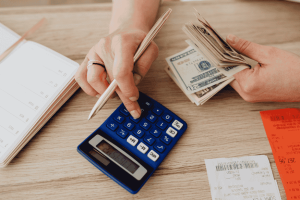
The encouraging news is that the same mind that pulls you toward overspending can be trained to support healthier choices. Start by tracking your expenses for a few weeks to reveal your real patterns instead of relying on memory. Notice when overspending tends to happen: late at night, after stressful days, on weekends or when you are scrolling specific apps. This transforms vague guilt into concrete insight you can act on.
Next, design small friction points that interrupt your usual routine. You might delete shopping apps from your phone, turn off non-essential sale notifications, or require a 24-hour pause before any purchase above a certain amount. Some people move spending money into a separate checking account or use prepaid cards to create a hard limit.
You can also replace shopping with alternative ways to handle emotions, such as taking a walk, calling a friend, journaling or practicing a relaxation exercise. Over time, these strategies work with overspending psychology instead of against it, gently rewiring your habits in favor of your long-term goals.
Conclusion
Understanding why you overspend is more than an interesting theory; it is a roadmap for doing things differently. By learning how overspending psychology interacts with your brain chemistry, emotions, biases and digital environment, you can see that overspending is not a personal flaw but a predictable pattern.
The next step is to act on that insight. Start small: track your spending, notice your triggers and add gentle barriers between you and impulse purchases. Over time, those small adjustments can help you feel more in control of your money and more confident about the future you are building.