Anúncios
Understanding freelancer self employed taxes is essential for anyone who works independently. Unlike traditional employees who have taxes withheld automatically, freelancers and self-employed individuals must calculate, track, and pay their own taxes. This responsibility can be overwhelming, especially when income varies, expenses fluctuate, and tax rules change over time.
Yet proper tax management is one of the most important pillars of financial stability for independent workers. Without structure, it becomes difficult to stay compliant, avoid penalties, or plan for long-term financial goals.
In 2025, as more people choose flexible and independent work arrangements, tax planning has become increasingly important. Digital platforms, online payment systems, and global client bases have expanded opportunities, but they also created new tax obligations and complexities. Managing taxes effectively requires organization, documentation, awareness of deductible expenses, and clear strategies for estimating and saving for tax payments.
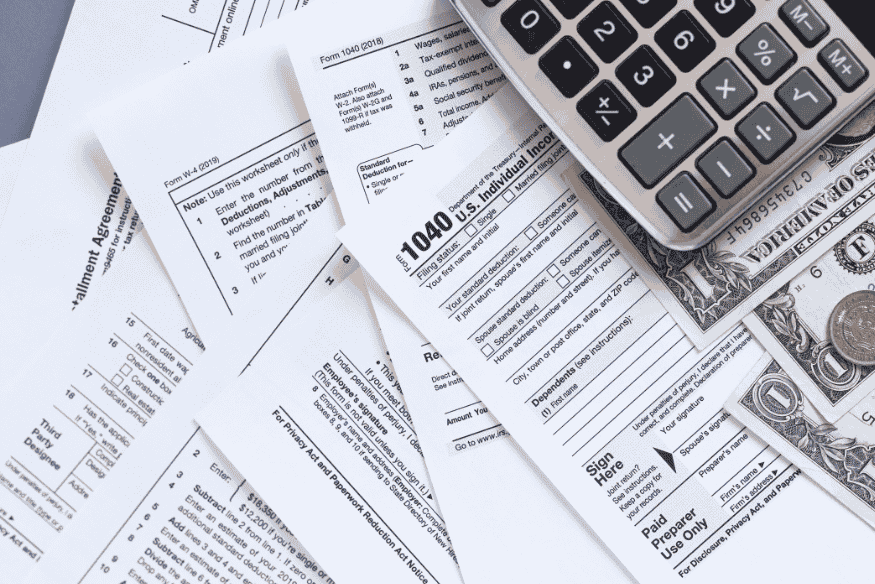
This article provides a complete guide to freelancer and self-employed tax obligations. You will learn the essentials of organizing income records, estimating taxes, identifying deductions, preparing for annual filings, planning payments, and building financial habits that support long-term compliance. With practical steps and clear explanations, this guide helps you gain confidence and take control of your independent financial life.
Understanding your tax obligations
Freelancers and self-employed individuals are responsible for calculating and paying their own taxes because no employer handles these obligations on their behalf. Understanding how taxes apply to independent work is essential for staying compliant. Income from freelance work is considered taxable and must be reported, even when payments come from multiple clients or digital platforms. In most cases, independent workers must pay taxes on both income and self-employment activities.
Knowing which taxes apply helps guide your planning throughout the year. It also allows you to avoid unexpected payments during tax season. Being aware of your responsibilities is the first step toward organized and efficient tax management.
Keeping accurate income records
Maintaining detailed and organized income records is essential for freelancer self employed taxes. Independent workers often receive payments from different sources, which increases the need for careful documentation. Recording each payment, including date, client, and amount, ensures accuracy during tax preparation. It also protects you from errors that could lead to penalties.
Digital tools help streamline this process by generating reports and categorizing income automatically. Keeping all documentation in one place simplifies annual filings and improves financial visibility. Accurate income tracking makes tax planning more reliable and prevents oversights.
Tracking deductible expenses
Deductible expenses reduce your taxable income and help you pay only what is necessary. Freelancers and self-employed individuals can deduct expenses related to their work, such as equipment, software, supplies, transportation, home office use, and professional services. Understanding which expenses are valid deductions allows you to save money and manage finances more effectively.
Tracking expenses throughout the year prevents last-minute confusion and ensures that deductions are legitimate and well documented. Organized expense tracking supports compliance and strengthens financial planning.
Estimating taxes periodically
Because taxes are not withheld automatically, freelancers must estimate how much they owe throughout the year. Estimating taxes helps you stay prepared for payments and avoid unexpected bills. Many independent workers use a percentage of their income to calculate tax obligations, setting aside funds every time they receive payment.
Estimations should consider both income and self-employment tax responsibilities. Reviewing these estimates periodically allows you to adjust them based on fluctuations in income. Regular tax estimations provide financial stability and prevent unpleasant surprises.
Setting aside money consistently
Setting aside money for taxes is a crucial habit for self-employed individuals. This practice ensures that funds are available when tax payments are due. A recommended approach is to transfer a portion of each payment into a dedicated account reserved specifically for taxes. This system reduces stress, builds discipline, and prevents the temptation to spend money needed for tax obligations.
Consistency is key. Even during months with lower income, setting aside a small amount maintains your financial structure. Over time, this habit becomes a foundation for responsible tax management and financial stability.
Understanding quarterly tax payments
Many freelancers are required to make quarterly tax payments to avoid penalties and interest charges. These payments help distribute tax obligations throughout the year rather than leaving a large balance due during annual filing. Understanding when and how to make quarterly payments ensures compliance and protects your financial health.
Quarterly payments should be based on your income estimates and adjusted as necessary. Being proactive with these payments reduces the likelihood of financial stress and helps maintain control of your independent finances.
Preparing for annual tax filing
Annual tax filing requires accurate records of both income and expenses. Freelancers must gather documents, organize receipts, and calculate deductions to complete their return. Preparing early avoids mistakes and gives you the opportunity to review your financial history carefully.
Keeping a checklist of necessary information helps ensure that nothing is overlooked. Digital tools can simplify this process by consolidating financial data from the entire year. Proper preparation leads to a smoother filing process and reduces the risk of errors.
Managing taxes on multiple income sources
Many freelancers and self-employed individuals earn income from several sources. This may include digital platforms, remote clients, part-time projects, or contract work. Tracking all income streams is essential to ensure accurate reporting. Mixing sources without organization can lead to confusion and incomplete tax filings.
Creating separate categories for each income source clarifies how much you earn and simplifies calculations. Understanding how different income types affect your tax obligations allows for better planning and compliance.
Using digital tools for tax organization
Digital tools help simplify the process of managing freelancer self employed taxes. Tax software, accounting platforms, and financial tracking apps can generate reports, categorize expenses, and calculate estimated taxes automatically. Using these tools improves accuracy and saves time.
Many platforms also integrate with bank accounts and payment applications, making documentation more efficient. Digital solutions help you maintain organization and reduce the risk of mistakes during tax season. They also support financial clarity and long-term planning.
Building long-term tax habits
Long-term success with freelancer taxes depends on consistent habits. These include reviewing financial records regularly, updating estimates, tracking deductions, and maintaining organized documentation. Strong habits prevent last-minute stress and ensure accuracy throughout the year.
Developing routines that support financial discipline strengthens your ability to manage independent work. These habits help you stay prepared for tax obligations and build a more stable financial future.
Conclusion

Managing freelancer self employed taxes requires organization, discipline, and awareness of your financial responsibilities. By keeping accurate income and expense records, estimating taxes regularly, setting aside funds, and preparing for quarterly and annual tax obligations, you build a strong foundation for long-term financial stability. Using digital tools and developing sustainable habits further improves your ability to stay compliant and confident.
Understanding how taxes apply to independent work gives you control over your finances and reduces uncertainty. With consistent planning and informed decisions, freelancers and self-employed individuals can manage taxes smoothly and focus on growing their careers. Start implementing these strategies today to strengthen your financial organization and build a stable future.