Anúncios
In 2025, many Americans feel like their paycheck disappears into a pile of automatic payments before they even notice what happened. Streaming platforms, cloud storage, gym memberships, utility bills, phone plans and insurance all hit your account month after month. At the same time, prices have risen in recent years, and even though inflation has cooled, everyday costs are still higher than they were a few years ago.
For a lot of households, the easiest way to breathe again is not earning more right away, but learning how to reduce monthly bills without sacrificing quality of life. In this guide, you will learn how to map all your recurring expenses, cut wasteful subscriptions, shrink utility costs, negotiate better deals and turn those savings into real financial progress.
Know Where Your Money Goes Each Month

You cannot permanently cut recurring bills you do not see. The first step is creating a clear, updated picture of every automatic payment leaving your account. Start by downloading the last three months of bank and credit card statements. Highlight anything that repeats every month or every year: streaming services, software subscriptions, gym memberships, cloud storage, box deliveries, insurance premiums, phone plans and donations.
Next, categorize each recurring payment as essential, nice-to-have or unnecessary. Essentials are things like rent, basic utilities, insurance and a reliable internet connection for work or school. Nice-to-haves are upgrades you enjoy but could downgrade if needed, such as premium streaming tiers or high-end mobile data packages. The “unnecessary” category includes subscriptions you forgot about or rarely use.
Finally, create a simple spreadsheet or use a budgeting app that tags each recurring expense. This makes it much easier to spot patterns, set reduction targets and track progress as you work to reduce monthly bills over the coming months.
Trim Streaming, Subscriptions and Memberships
Subscription creep is one of the biggest silent threats to your budget. Surveys show that the average American subscriber now spends around $70–$80 per month on subscriptions and may hold several different services at once, from video streaming to gaming, music, apps and subscription boxes. Many people even admit they pay for at least one subscription they do not use regularly.
The good news is that this is one of the fastest areas to cut. Start with a “subscription reset.” List every service, its monthly price and how often you truly use it. Ask yourself three questions for each one:
- Did I use this in the last 30 days?
- Are there cheaper or free alternatives that meet the same need?
- Would my life really change if I paused this for three months?
Cancel anything you have not used recently or that overlaps with another service. Consider rotating subscriptions instead of keeping everything at once: keep one or two services for a few months, then switch. Look for family or group plans, student discounts and bundles where you genuinely use all parts of the package. These simple changes can significantly reduce monthly bills tied to entertainment and digital services.
Lower Your Utility Bills With Everyday Changes
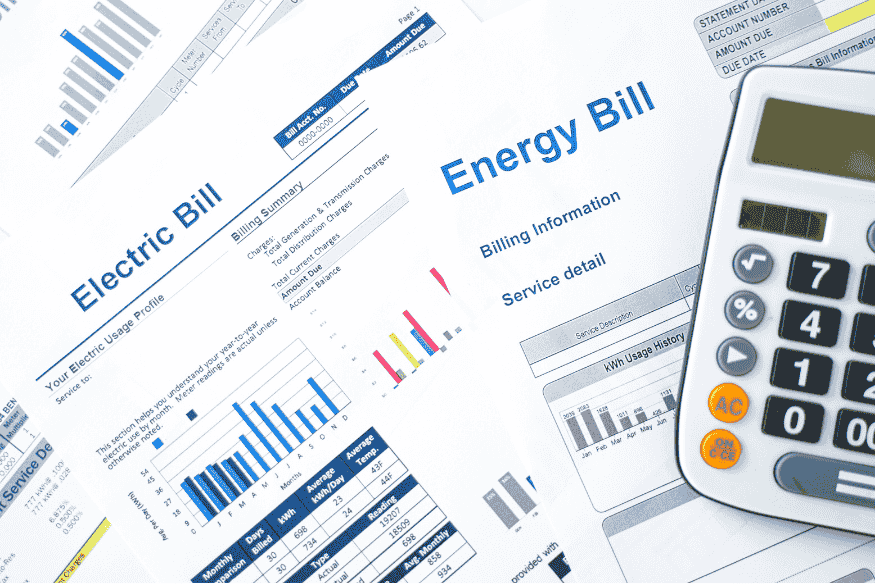
Utility costs have climbed noticeably over the last few years, and many households now spend several hundred dollars a month on electricity, gas, water and other basic services. Even small improvements in how you use energy and water can add up to big annual savings.
Start by focusing on heating, cooling and hot water, since these usually drive most of the bill. A programmable or smart thermostat that adjusts the temperature when you are asleep or away can shave a meaningful percentage off your energy use. Sealing air leaks around doors and windows, closing blinds during hot afternoons and using fans to circulate air all help your systems work less.
Lighting and appliances are another easy win. Swapping old bulbs for LEDs, unplugging devices you rarely use and enabling energy-saving modes on electronics all reduce wasted power. In some areas, your utility company may offer free or low-cost home energy audits and rebates for efficient appliances, insulation or smart thermostats. Combining these small steps can noticeably reduce monthly bills related to utilities without sacrificing comfort.
Negotiate Better Deals on Internet, Phone and Insurance
Many people assume their internet, phone and insurance prices are fixed, but these are some of the most negotiable recurring bills you have. Providers regularly run promotions for new customers, and sometimes all it takes is a phone call to access similar deals.
Before you negotiate, research competitor offers in your area for similar speeds, data and coverage. Having specific numbers gives you leverage. Then call your current provider and politely explain that you are a long-time customer but the price is getting hard to manage. Ask whether there are loyalty discounts, lower-cost plans or promotional rates you can switch to without losing essential features.
The same approach works with car and home insurance. Review your coverage annually, compare quotes from multiple companies and ask your current insurer to match or beat the best offer you find. Raising deductibles slightly, bundling policies or improving your credit profile can also lower premiums. Even if each negotiation saves only $10–$30 per month, combining them across several services can meaningfully reduce monthly bills over a full year.
Automate Your Savings From Reduced Bills

Cutting recurring bills is only half the job. To feel a real difference in your financial life, you need to capture those savings before lifestyle creep pulls them back into new spending. The simplest way to do this is to automate your savings.
Once you cancel subscriptions, lower your utilities or negotiate cheaper plans, calculate how much you are saving each month. Then set up an automatic transfer for that exact amount to a high-yield savings account, investment account or extra debt payment. For example, if you free up $80 per month by trimming subscriptions and renegotiating your internet plan, redirect that $80 toward an emergency fund or credit card balance.
This approach turns every success in cutting expenses into progress toward your bigger goals: building a three-to-six-month emergency fund, paying off high-interest debt faster or saving for a down payment. Over time, automating the savings from your lower recurring bills can transform short-term cuts into long-term financial security.
Conclusion
Recurring bills may feel like a fixed part of life, but in reality they are one of the most flexible areas of your budget. When you map out all your regular charges, trim unused subscriptions, cut energy waste at home, negotiate better deals and automate the savings, you create space in your finances without feeling deprived.
Each step might only save a few dollars, but together they can free up hundreds of dollars a year. Start with one category this week, take one small action to reduce monthly bills, and then build on that momentum. Your future self will thank you for every recurring cost you questioned, renegotiated or removed.