Anúncios
When a car repair, vet bill, or annual insurance premium hits, many Americans still reach for a credit card or dip into retirement accounts. Recent surveys show that only about 46% of Americans have enough emergency savings to cover three months of expenses, and roughly 40% say they couldn’t cover a $1,000 surprise bill with cash alone. In this context, building stability isn’t just about having an emergency fund. It’s also about preparing for the big but expected bills that show up every year.
That’s where sinking funds come in. They’re a simple, structured way to set money aside for known future expenses so they don’t blow up your monthly budget. In this article, you’ll learn what they are, how they differ from emergency savings, how to set them up step by step, which categories make the most sense, and how to integrate them into a realistic 2025 budget.
What Are Sinking Funds, Exactly?
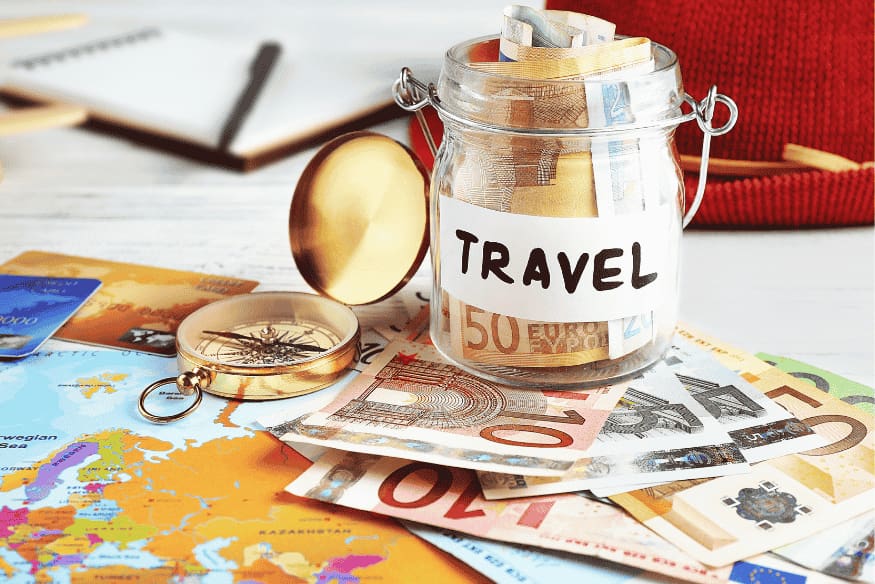
In personal finance, they are separate savings buckets you create for specific, future expenses you know are coming but that don’t fit neatly into a single month’s budget. Instead of scrambling to pay a $1,200 insurance premium or holiday trip all at once, you break the cost into small monthly contributions over time.
The idea isn’t new. In corporate finance, “sinking funds” originally referred to money companies set aside to repay bonds or other debts on schedule. Personal finance adapted the same logic: you deliberately add money to a pot dedicated to a single purpose, and you don’t touch it for anything else.
For example, if you plan a $1,500 vacation 12 months from now, you might set aside $125 each month into a dedicated account labeled “2026 Vacation.” When the trip arrives, the cash is already there. No guilt, no scrambling, and less temptation to finance the entire experience on high-interest credit cards.
Sinking Funds vs. Emergency Funds
It’s easy to confuse these tools because both involve saving, but they play very different roles in a healthy financial plan.
An emergency fund is your safety net for unexpected events: job loss, a medical emergency, a sudden drop in income, or an urgent home repair. Experts still recommend keeping at least three to six months of basic expenses in an accessible, low-risk account, and some now suggest even larger cushions given today’s economic uncertainty.
By contrast, they are designed for expected costs. Think:
- Annual car insurance or registration renewals
- Back-to-school shopping for kids
- Planned medical or dental work
- Holiday gifts and travel
Using this funds for these predictable expenses helps protect your emergency fund from being drained for non-emergencies. Several personal finance experts highlight this proactive approach as a way to move expenses from “crisis mode” to “planned spending,” reducing stress and reliance on debt.
In short: the emergency fund keeps you afloat when life surprises you, while smooth out the financial bumps you already see on the road ahead.
How to Set Up Your First Sinking Funds Step by Step

Starting with this funds doesn’t require complicated spreadsheets or six-figure income. A simple, consistent process is enough.
- List upcoming expenses you can see coming: Look 12–18 months ahead. Include things like car maintenance, holidays, insurance premiums, annual subscriptions, and known life events (weddings, moving costs, conferences).
- Estimate the cost and timing: You don’t need perfect numbers, ballpark estimates are fine. For example, $800 for car repairs and maintenance over the next year, or $600 for holiday spending.
- Divide the total by the number of months you have: If you want $600 for the holidays and you have 10 months, you’ll set aside $60 per month. This simple formula is the backbone of most sinking-fund strategies recommended by financial educators.
- Choose where to keep each fund: Many people use separate high-yield savings accounts or labeled sub-accounts inside a single savings account so they can see each goal clearly. Online banks often allow multiple “buckets” under one login.
- Automate contributions: Schedule automatic transfers right after payday. Treat them like non-negotiable bills so you’re not tempted to skip a month whenever life feels busy.
Once you’ve tested the process with one or two categories, you can gradually add more. The key is to keep the monthly amounts realistic so they fit your existing budget without creating additional financial pressure.
Smart Categories and Real-Life Examples
Choosing the right categories is what makes this funds feel practical instead of overwhelming. The best categories are recurring but irregular, things that happen once or a few times a year, not every month.
Common examples include:
- Car expenses: routine maintenance, tires, registration, and insurance renewals
- Housing costs: property taxes, HOA fees, major appliances, or planned home repairs
- Health and wellness: dental work, glasses or contacts, elective procedures not fully covered by insurance
- Family and kids: back-to-school costs, kids’ sports or activities, birthday parties
- Lifestyle goals: vacations, holiday gifts, electronics upgrades, professional courses
Imagine setting up four separate funds labeled “Car,” “Holidays,” “Travel,” and “Home Maintenance.” If each one gets just $50 a month, you’ll have $2,400 saved across those categories after a year. That might cover new tires, plane tickets to see family, and a modest holiday budget without touching your emergency fund or racking up new credit card debt.
Many financial coaches emphasize that using multiple, clearly labeled categories helps you stay motivated because you can literally see progress toward each goal instead of watching one big, vague pile of cash.
Making Sinking Funds Work in Your 2025 Budget

Of course, the biggest challenge in 2025 is that budgets already feel tight. Inflation has cooled from its peak, but higher prices for housing, food, and healthcare still strain many households, and a significant share of Americans report they would struggle to cover even a $400 emergency in cash.
To make this work in this reality:
- Start small and prioritize: Begin with one or two categories that cause the most stress, often car costs and holidays. Even $20–$30 per month per category is better than zero.
- Use windfalls wisely: Tax refunds, bonuses, or side-gig income can supercharge your funds. Consider sending a portion directly into sinking accounts instead of letting all of it flow into everyday spending.
- Combine with high-yield savings: Placing your sinking balances in FDIC-insured high-yield accounts lets you earn some interest while keeping the money accessible for when the bill arrives.
- Review and adjust regularly: Once a quarter, check whether your monthly contributions still fit your income and upcoming plans. If an expense is now closer or more expensive than expected, increase that particular contribution and reduce a lower-priority category temporarily.
Used this way, funds become a flexible tool. They don’t lock you in; they simply give you a framework to keep large, irregular bills from becoming financial emergencies.
Conclusion
When you look at the numbers, it’s clear that relying on luck or last-minute credit isn’t a sustainable strategy. Sinking funds offer a practical, low-stress way to prepare for the expenses you already know are coming, while keeping your emergency savings ready for real crises.
Start by picking one or two categories that regularly catch you off guard, calculate a simple monthly contribution, and automate it. Over the next 6–12 months, you’ll feel the difference as big bills arrive and you’re able to pay them with cash you deliberately set aside. That’s the real payoff of this strategy: more control, less anxiety, and a budget that finally works with your life instead of against it.