Anúncios
Choosing how many credit cards to keep in your wallet is not just a numbers game. It affects your credit score, your day-to-day cash flow and even how vulnerable you are to debt. In the age of online shopping, travel rewards and rising interest rates, it’s normal to wonder how many credit cards should you have to get the benefits without putting your finances at risk.
In this guide, you’ll see what the data says about the average American, how extra cards can help or hurt your credit, and a simple framework to decide the right number for your situation. By the end, you’ll know when one card is enough, when a small “portfolio” makes sense and when adding more cards is a red flag rather than a smart strategy.
Why the Number of Cards Matters for Your Credit Health
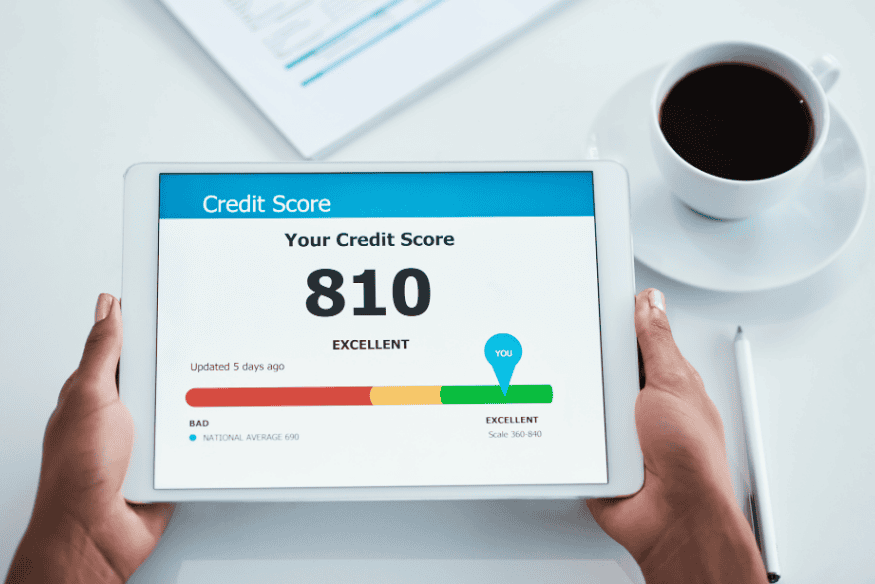
Before deciding how many credit cards should you have, it helps to understand how credit scores work. Two of the biggest factors in most scoring models are payment history and credit utilization, the share of your available credit you are actually using. Having more than one card can increase your total limit, which may lower your utilization if you keep balances under control. That can support healthier scores over time.
On the other hand, every new card generally triggers a hard inquiry and reduces the average age of your accounts. Opening several cards in a short period can temporarily pull your score down and may signal risk to lenders. Managing multiple due dates also raises the odds of missing a payment, which can hurt your score far more than any benefit from a higher limit. In short, the “right” number is the largest amount you can handle while still paying on time and keeping balances low.
What the Data Says About the Average American Wallet
Statistics can offer a useful benchmark, even if your ideal number ends up different from the crowd. Recent analyses show that Americans hold around four credit cards on average, but only about three to four of them are actively used. At the same time, there are well over 800 million credit cards in circulation in the United States, more than double the adult population, which shows just how common it is to have multiple cards.
Yet more cards have not prevented debt from climbing. By late 2025, total U.S. credit card balances passed $1.2 trillion, the highest level on record. That suggests many people are stretching their limits instead of simply using extra cards as a safety net or rewards tool. So while you might be tempted to match the average number of cards, it’s more important to match your actual spending habits and your ability to stay out of high-interest debt.
How to Decide the Right Number of Cards for You
There is no single perfect answer to the question of how many credit cards should you have. Major bureaus and lenders often suggest that a mix of at least a few accounts, including two or three credit cards, can be healthy once you know how to manage them. Instead of chasing a target, walk through a few key questions:
- How often do you forget bills or struggle to track due dates?
- Are you paying in full every month, or carrying balances?
- Do you have an emergency fund, or do you lean on credit for surprises?
- Are you applying mainly for rewards and perks, or out of financial pressure?
If you are just starting out or rebuilding credit, one well-chosen card that you pay on time and keep below about 30% utilization is usually enough. As your income, confidence and budgeting skills grow, you might add a second or third card to separate spending categories or gain specific benefits. Beyond that, adding more accounts should be tied to clear goals, not impulse or aggressive marketing.
When Adding Another Card Can Be Smart

Sometimes, increasing the number of cards is a strategic move, not a risk. A second or third card from a different issuer or network can act as a backup if one card is declined or compromised, which is especially useful when traveling. It can also expand your total credit limit, lower your utilization and potentially support your score as long as you resist the temptation to overspend.
Many people also use multiple cards to maximize rewards: one for groceries and gas, another for travel and dining, and perhaps a third with a strong flat-rate cashback on everything else. If you take this approach, it is crucial to focus on cards with terms you understand and no unnecessary annual fees. Make sure you can track all charges and pay them off in full.
If a new application would push your budget, your mental bandwidth or your ability to stay organized, it is a sign that you may already be at the right number for now.
Signs You May Have Too Many Credit Cards
While there is technically no hard limit on how many credit cards you can have, there are clear warning signs that you might have opened too many accounts for your current situation. Pay attention if you notice:
- You are missing or delaying payments because there are too many due dates.
- You regularly move balances from one card to another without paying them down.
- You cannot list all your card limits and interest rates from memory or a simple spreadsheet.
- You are opening cards mainly for short-term cash flow, not long-term benefits.
At that point, the question is about how to regain control. Freezing applications for new cards, consolidating balances at lower rates and creating a realistic payoff plan are often smarter moves than closing accounts at random. Closing older cards can reduce your available credit and shorten your account age, which may hurt your score, so any cleanup strategy should be deliberate rather than rushed.
How to Grow Your Card Portfolio Safely Over Time
If you decide that adding one or two more cards could actually help you, plan the growth of your “wallet strategy” instead of leaving it to chance. Space new applications several months apart so that multiple hard inquiries do not hit your score at once, and only apply when your income and budget are stable. Look at your existing cards and identify genuine gaps: perhaps you lack a no-foreign-transaction-fee option for travel, or a card with robust purchase protections.
It also helps to put strong systems in place before expanding the number of accounts. Setting up automatic payments for at least the statement balance, using budgeting apps to track spending and checking your statements regularly reduce the risk that extra cards turn into extra stress.
Resources from organizations like the Consumer Financial Protection Bureau can guide you on comparing offers and understanding fees, interest and rewards fine print. When you treat each new card as a long-term tool rather than a quick fix, growing your portfolio becomes a controlled choice instead of a reaction to marketing or financial pressure.
Conclusion
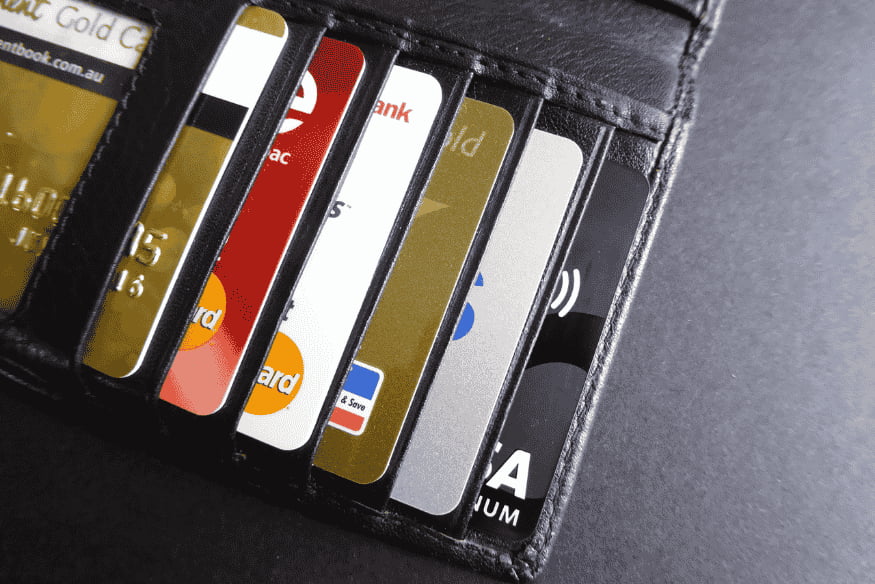
In the end, there is no magic answer to how many credit cards should you have. For some people, one simple card is enough to build credit and cover everyday spending. Others manage two or three cards comfortably, using them strategically for rewards and backup while keeping balances low and payments on time. The right number for you is the one that supports your goals without increasing your stress or your debt.
Take an honest look at your habits, your income and your organization skills, then adjust your cards accordingly. If you ever feel overwhelmed, pause new applications and focus on paying down balances and simplifying your finances before adding anything new.