Anúncios
Money can feel confusing when you are just starting out. Between rent, debt, rising prices and future goals like buying a home or retiring, it is easy to live month to month without a clear plan. Recent surveys show that many Americans still struggle with emergency savings and rising credit card balances, even when the job market looks relatively solid.
Personal financial planning gives structure to your decisions so you are not reacting to every bill or headline. Instead, you set priorities, track your cash flow and slowly build a cushion for the unexpected. Over time, this approach reduces stress and helps you make confident choices about spending, borrowing and investing.
This guide walks beginners through the core steps: understanding where you stand today, setting realistic goals, building a budget, protecting yourself with savings and debt strategies, and starting to invest for the future.
Understand Where You Stand Today
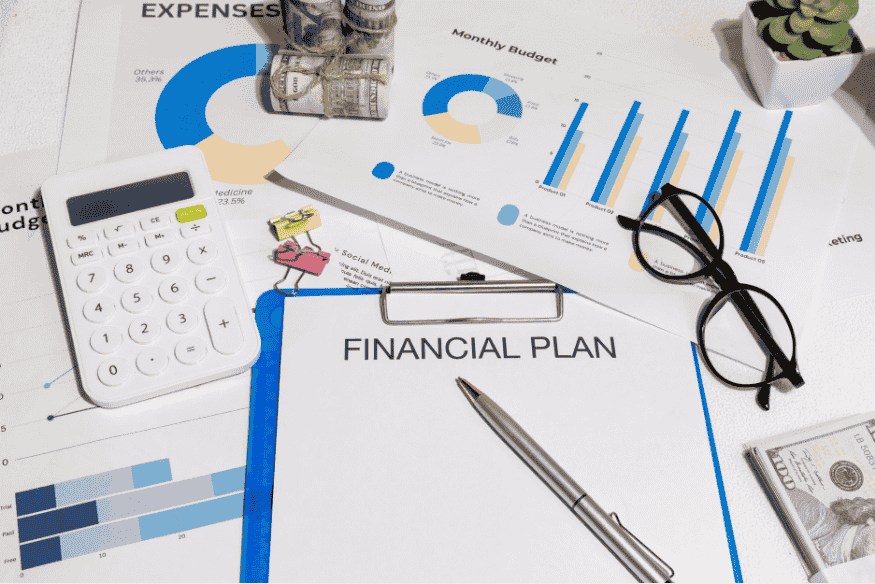
Effective personal financial planning starts with a clear picture of your current situation. Think of it as a financial snapshot: what you earn, what you owe and what you own.
Begin by listing all income sources: salary, side jobs, government benefits and any regular transfers you receive. Then review at least the last one to three months of bank and card statements. Group your spending into broad categories such as housing, transportation, food, debt payments, subscriptions and “everything else.” This reveals patterns you may not notice day to day.
Next, calculate your net worth. Add up what you own (checking and savings balances, investments, retirement accounts, car or home equity) and subtract what you owe (credit cards, personal loans, student loans, auto loans and mortgages). Even if the result is negative, knowing the number is powerful. In national surveys, people who regularly track their finances report feeling more in control and better able to handle an unexpected expense than those who do not.
Set Clear Money Goals You Can Actually Reach
Once you know where you stand, decide where you want to go. Clear, specific goals are the backbone of personal financial planning because they tell your money what to do.
Start by writing down short-term goals (within one year), such as building an initial emergency fund of one month of expenses, paying off a small high-interest credit card balance or saving for a move. Then list medium-term goals (two to five years), like paying down student loans, saving for a car or building a larger safety net. Finally, define long-term goals such as retirement, funding education or buying a home.
Make each goal as concrete as possible: instead of “save more,” aim for “save 150 dollars per month toward a 3,000-dollar emergency fund.” Attach target dates and approximate amounts. Research shows that people with written, time-bound goals are more likely to follow through and adjust their habits than those with vague intentions.
Build a Budget and Cash-Flow System That Works

Your budget is the practical tool that connects your income to your goals. It is less about restriction and more about making sure your money supports what matters most.
Start by comparing your monthly take-home pay to your essential expenses: housing, utilities, food, transportation, insurance and minimum debt payments. If these already exceed your income, you will need to cut costs or increase earnings as a first priority. Many households today face tight budgets as both debt levels and everyday costs have climbed in recent years.
A simple way to design your budget is to assign broad percentages to needs, wants and goals, then adjust them to your reality. The key is to create a small but consistent surplus that goes to savings or debt reduction every month.
To keep the plan manageable, set up a basic system:
- Use one main checking account for bills and everyday spending.
- Automate transfers to savings right after payday so you “pay yourself first.”
- Use alerts or a budgeting app to track categories where you tend to overspend.
Revisit your budget every few months or whenever your income or expenses change significantly.
Protect Yourself With an Emergency Fund and Debt Strategy
Unexpected expenses are one of the main reasons people rely on high-interest credit cards. National data suggests that just over half of U.S. adults have set aside enough savings to cover three months of expenses, meaning many remain vulnerable to job loss, illness or surprise bills.
For beginners, aim first for a small starter emergency fund, perhaps 500 to 1,000 dollars, in a separate savings account. Then slowly build toward three to six months of essential expenses as your situation allows. Consumer protection agencies recommend using safe, liquid accounts like high-yield savings or money market accounts so the money is accessible when you need it.
At the same time, create a plan for high-interest debt. Average credit card balances in the U.S. have risen to more than 6,700 dollars per cardholder, and delinquencies have been climbing, especially among younger borrowers. Prioritize these balances because they erode your progress. Many people use either the “avalanche” method (paying the highest interest rate first) or the “snowball” method (paying the smallest balance first to build momentum), while still making minimum payments on all accounts. Choose the method you are most likely to stick with.
Start Investing Early and Review Your Plan Regularly
Once you have a basic emergency fund and a realistic handle on debt, you can turn to long-term growth. Investing is how personal financial planning helps you keep up with inflation and build wealth over time.
Begin with tax-advantaged accounts available through work or individually, such as 401(k) plans or individual retirement accounts (IRAs). If your employer offers a match on contributions, try to capture the full match, it is essentially extra compensation for your future self. Over decades, even modest monthly contributions can grow significantly thanks to compound interest.
For beginners, simple, diversified investments like broad-based index funds or target-date retirement funds are often recommended because they spread risk across many companies and require little maintenance. Before investing, consider your time horizon and risk tolerance, and avoid chasing short-term market trends.
Finally, schedule regular check-ins, perhaps once or twice a year, to review your goals, savings rate, debt progress and investments. Adjust contributions, rebalance investments if needed and update your plan as your life changes through new jobs, family milestones or major purchases.
Conclusion
Getting started with personal financial planning does not require perfection or a high income. It begins with a clear picture of your current finances, realistic goals, a workable budget, a growing emergency fund and a simple investing strategy you can maintain. Each step builds on the last, giving you more stability and flexibility over time.
The most important move is to begin. Choose one small action you can take this week, such as listing your debts, opening a dedicated savings account or setting up a modest retirement contribution, and commit to it. As you repeat these actions month after month, you will create a plan that supports your life today while preparing you for tomorrow.