Anúncios
Life rarely sticks to the script. A sudden car repair, a medical bill, or a layoff can throw even a solid financial plan off track. That is where emergency fund savings come in: money set aside specifically to protect your day-to-day life when the unexpected happens. Recent surveys show that a large share of Americans still struggle with surprise expenses. Many people do not have enough cash to cover even a modest emergency and would need to rely on credit cards, loans, or help from family and friends.
At the same time, financial educators consistently recommend building a cash cushion of several months of essential expenses to ride out job loss or major shocks. In this article, you will learn how to decide what “enough” looks like for your situation, how to calculate your personal target, where to keep your emergency money, and practical ways to build it up even on a tight budget.
How Much Is “Enough”? The Classic Rules of Thumb
Most financial educators still suggest saving between three and six months of essential living expenses in an savings. That means adding up what you actually need to keep the lights on: housing, utilities, groceries, transportation, insurance, minimum debt payments, and basic healthcare costs. Luxuries and non-essential spending are not included in this calculation.
For many households, that three-to-six-month guideline is a realistic starting point rather than an immediate goal. In 2025, estimates suggest that six months of core expenses for the average U.S. household can represent a significant share of annual income. That is a big number, and it helps explain why so many people feel behind. Surveys show that many Americans do not have enough set aside to cover even three months of bills, and a significant minority have no emergency savings at all.
The key is to treat these rules as a compass, not a rigid law. Your ideal amount depends on your income stability, family situation, and how much risk you are comfortable taking.
Personalizing Your Emergency Fund Savings Target
A one-size-fits-all number does not work for everyone. A single renter with a secure government job needs a very different cushion than a freelancer with irregular income and two children. To decide how much money you really need, consider three main factors.
First, look at your job security and income volatility. If you work in a cyclical industry, rely on commissions, or are self-employed, leaning toward six months or more of expenses can give you breathing room between gigs. If your income is steady and protected by strong contracts or tenure, three months may be a reasonable baseline.
Second, think about your household structure and obligations. Families with children, dependents with medical needs, or a single income supporting multiple people usually benefit from a larger buffer. If your fixed costs are high, your safety net will also need to be larger to cover a typical month.
Third, review your backup options. If you already have available credit, supportive family, or other assets you could tap, you might choose a slightly smaller cash cushion, although relying too heavily on debt can be risky. On the other hand, if you prefer a very conservative approach and dislike financial stress, you may feel more comfortable aiming beyond six months.
Write down your answers to these questions. They will guide you toward a personalized range instead of an abstract rule.
Calculating Your Number: A Simple Step-by-Step Approach
Once you have a rough idea of how many months of expenses you want to cover, it is time to calculate an actual dollar target. Start by listing your core monthly costs:
- Rent or mortgage
- Utilities and internet
- Groceries and basic household supplies
- Transportation (gas, public transit, car insurance)
- Health insurance and typical medical costs
- Minimum payments on debts
- Essential childcare or eldercare
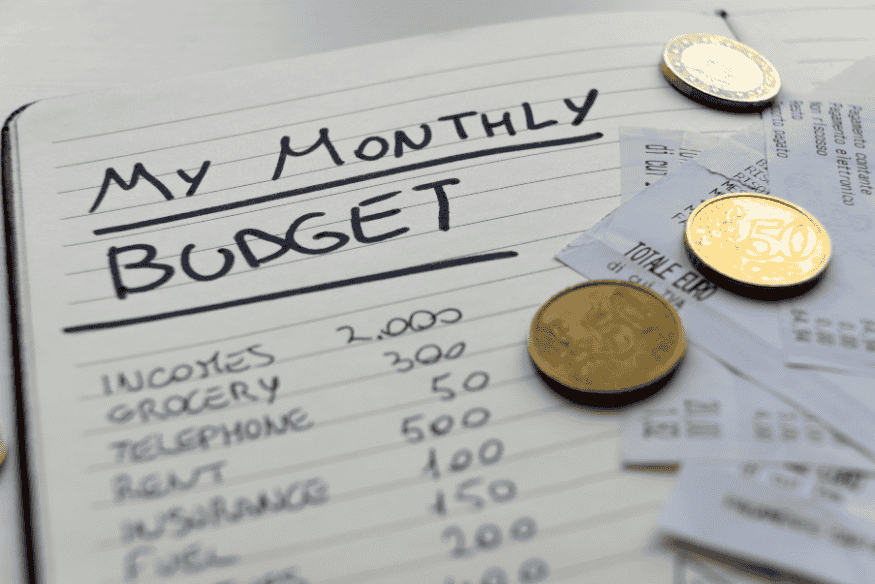
Add those items to get your bare-bones monthly budget. Then multiply by the number of months you want your economies to cover. For example, if your essential expenses are $3,000 per month and you aim for four months, your target is $12,000.
This number may feel intimidating, but remember that you do not need to reach it immediately. Many people start with a smaller milestone, such as $500 or $1,000, to handle minor surprises. Being able to cover even a small emergency with cash already puts you ahead of millions of Americans who would otherwise need to borrow. From there, you can gradually build toward your goal.
Where to Keep Your Emergency Fund So It Works for You
Where you store your emergency money matters almost as much as how much you save. The ideal place combines safety, easy access, and at least a modest return. For most people, that means keeping this money in a separate high-yield savings account or money market account at an FDIC-insured bank or NCUA-insured credit union. These accounts are low risk, typically pay more interest than a standard checking account, and allow you to move money quickly when you need it.
Avoid tying this money up in long-term investments that can lose value right when you need them, such as individual stocks or long-term bonds. Short-term certificates of deposit (CDs) can play a role if you ladder them and keep part of your fund fully liquid, but do not lock every dollar away.
Finally, consider psychological boundaries. Keeping your savings in a separate account, labeled clearly as “Emergency Only,” can reduce the temptation to dip into it for vacations, gadgets, or non-urgent expenses. You can also avoid linking this account to your debit card, so accessing it requires an extra step and more deliberate thought.
Building and Protecting Your Fund Over Time

If your savings is currently small, or nonexistent, you are not alone. Research continues to show that a large share of Americans worry about their ability to handle unexpected expenses, and many turn to credit cards or loans when emergencies strike. The good news is that steady, realistic habits can change your situation over time.
Start by deciding on a fixed monthly contribution, even if it is only a small amount. Automate transfers from your checking account to your dedicated savings account on payday so you are not relying on willpower. When receiving tax refunds, bonuses, or cash gifts, consider allocating a portion directly to this purpose.
To free up cash, look for recurring expenses that you can reduce or cancel, such as unused subscriptions, premium services, or frequent takeout. Even an extra $50 to $100 per month can make a difference over a year. To protect what you have built, define in advance what counts as a true emergency: job loss, urgent repairs, medical needs, or necessary travel to support family. Everyday overspending or impulse purchases do not qualify.
If you do need to use your fund, treat rebuilding it as a priority. Adjust your budget temporarily, pause non-essential goals, and restart automatic contributions as soon as possible. This disciplined approach helps ensure that your cushion will be there when a genuine crisis arrives.
Conclusion: Turn Your Emergency Fund Into Peace of Mind
An economies will not prevent job loss, medical issues, or surprise bills, but it can dramatically change how those events feel. By understanding how much makes sense for your situation, calculating a clear dollar target, choosing the right account, and committing to steady contributions, you create a financial safety net that supports every other goal you have.
You do not need to reach several months of expenses overnight. Start with a realistic first milestone, automate what you can, and adjust as your life and income evolve. The sooner you begin, the sooner you will trade anxiety about the next unexpected bill for a sense of control and confidence over your money.