Anúncios
When shoppers compare payment options at checkout, the choice often comes down to speed, flexibility, and cost. That is why the debate around buy now pay later vs credit card has become so relevant. Both tools can help spread out expenses, but they work in different ways. One is usually tied to a specific purchase and split into fixed installments, while the other gives you revolving access to credit that can be reused as you pay it down.
For many people, the decision is not just about convenience. It is about protecting cash flow, avoiding fees, and keeping debt manageable. Buy now, pay later can look simple because it often offers short-term installment plans with no interest if payments are made on time.
Credit cards, on the other hand, can offer rewards, broader flexibility, and everyday usefulness, but they can also become expensive if balances revolve for too long. That is why budgeting discipline matters more than ever when choosing between them.
How Buy Now, Pay Later and Credit Cards Actually Work
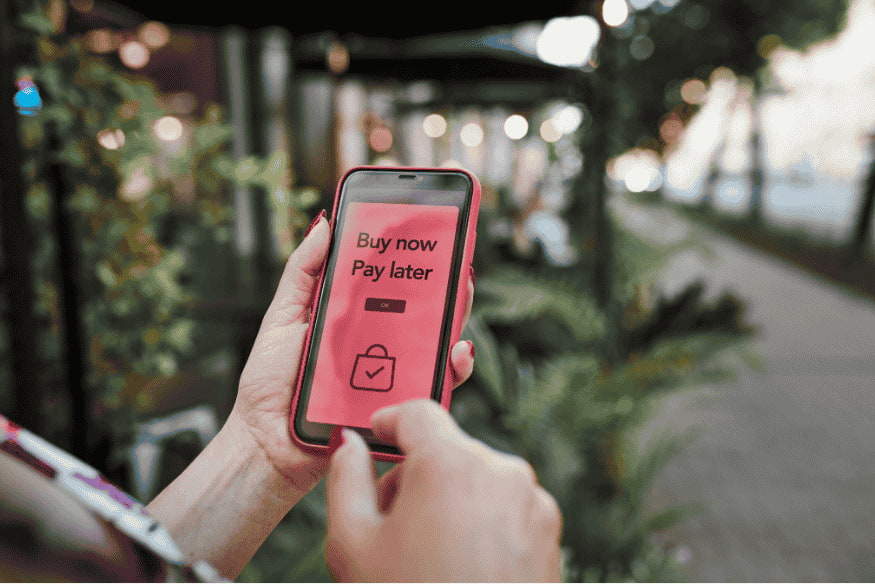
Buy now, pay later usually lets you divide a purchase into a small number of equal payments, often four installments over a short period. In many cases, there is no interest on standard plans, which is one reason BNPL has become popular for online shopping and moderate purchases.
A credit card works differently. It gives you a reusable credit line rather than a single purchase loan. You can pay the full statement balance by the due date and often avoid interest on purchases, or you can carry part of the balance and pay interest through the APR.
From a budgeting perspective, BNPL is more rigid and predictable for one transaction, while a credit card is more flexible but easier to misuse across many transactions. That distinction matters more than the marketing language used at checkout.
When BNPL Can Be the Better Choice
BNPL can be useful when you know exactly what you are buying, the installment amount fits comfortably into your monthly budget, and the plan truly carries no interest or hidden fees. In that case, it can function like a short-term payment calendar rather than long-term revolving debt.
It may also feel easier to manage because each plan is tied to a specific purchase. You know the item, the repayment schedule, and when the obligation ends. That structure can work well for planned expenses such as replacing a household item or making a moderate purchase you already intended to budget for.
Still, BNPL only works well when the payments remain small relative to your income and when you are not stacking multiple plans at once. A tool that looks cheaper than a credit card can become risky if it encourages extra spending simply because the first payment seems low.
When a Credit Card Can Be the Smarter Budget Tool
A credit card often becomes the better option when you want one payment method for routine spending, emergency flexibility, or rewards. Unlike BNPL, it is not limited to a single checkout plan. It can also be more practical for recurring expenses, temporary cash-flow gaps, and purchases where tracking matters.
Credit cards can also be cheaper than they appear if you use them strategically. Paying the statement balance in full by the due date generally avoids purchase interest, which means the card can function as a short grace-period tool rather than expensive debt.
Another advantage is versatility. A single card can cover groceries, utilities, travel bookings, subscriptions, and unexpected expenses, while also helping you track spending in one place. For someone with strong repayment habits, that can make a credit card more useful than juggling several BNPL plans.
The Biggest Risks to Watch in Both Options
The biggest BNPL risk is fragmentation. Because each plan can feel small, it is easy to lose sight of the total amount due across multiple purchases. That does not mean BNPL is inherently bad, but it does show how quickly convenience can turn into strain.
Credit cards carry a different risk profile. They are less likely to trap you through small separate plans, but much more likely to become expensive if you revolve debt at a high APR. Because the credit line is ongoing, there is also a temptation to keep spending before the old balance is fully repaid.
A practical way to compare the risks is this:
- BNPL risk: too many small commitments at once
- Credit card risk: one large revolving balance that grows with interest
- Shared risk: using borrowed money to cover nonessential spending you cannot truly afford
If your budget is already tight, either option can make the situation worse unless you set a clear repayment plan before buying.
How to Choose the Right Option for Your Budget
The best choice depends less on the product and more on your money habits. If you want fixed payments for one planned purchase and can repay on schedule without stretching the rest of your month, BNPL may be the better fit. If you want broader flexibility and centralized expense tracking, a credit card may offer more value, especially when you pay in full each cycle.
Before choosing, ask yourself a few simple questions:
- Is this purchase necessary now, or am I using financing to justify impulse spending?
- Can I repay the full amount on time without cutting essentials?
- Am I already managing other installment plans or card balances?
These questions matter because the safest payment option is the one that fits your real cash flow, not just the one with the most attractive checkout message.
Conclusion

The comparison between buy now pay later vs credit card is not about finding one universal winner. It is about understanding which tool matches your budget style. BNPL is often easier to follow for a single planned purchase because the repayment timeline is short and fixed. Credit cards are usually better for flexibility, repeated use, and rewards, but only when balances are managed carefully.
The key difference is behavioral. BNPL can encourage people to underestimate how many obligations they have, while credit cards can make it easy to carry expensive debt for too long. If you want a cleaner budget, choose the option that gives you visibility, keeps total costs low, and does not tempt you to spend beyond your means. Before clicking any payment button, look at your monthly cash flow first. A payment method should support your budget, not quietly reshape it.