Anúncios
Understanding how to calculate your personal break-even point is a powerful step toward gaining full control of your financial life. Many people know their approximate monthly expenses, but few take the time to calculate the exact amount of income required to cover them. This lack of clarity can lead to financial stress, poor decision-making, and difficulty planning for long-term goals.
When you know your break-even point, you gain a clear view of the minimum monthly income needed to maintain stability. This insight helps you prepare better, build healthier spending habits, and pursue financial growth with intention.
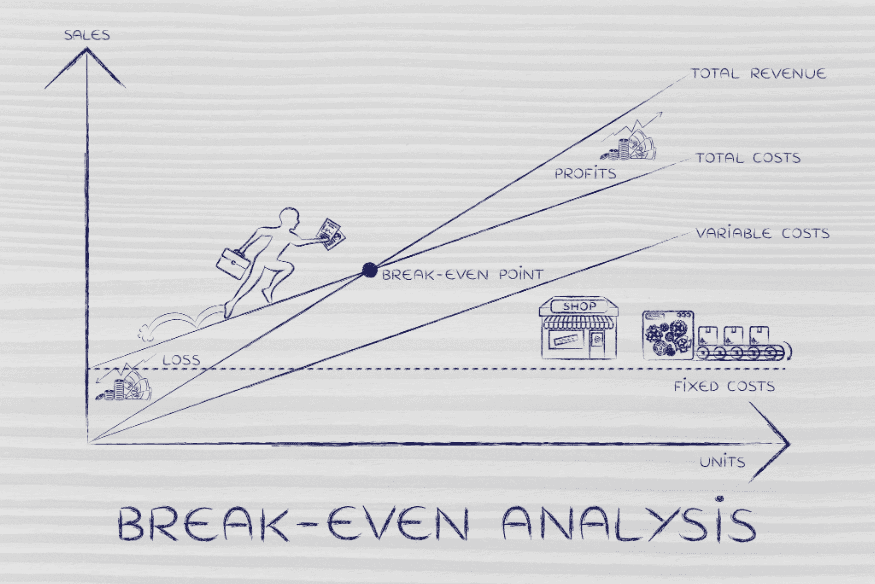
In 2025, with rising living costs, fluctuating income patterns, and the increasing prevalence of freelancing and gig work, understanding your personal break-even point has never been more important. It provides a foundation for budgeting, saving, investing, and long-term financial planning. The calculation also highlights opportunities to reduce expenses or increase income, allowing you to make informed choices that support financial independence.
This article offers a complete guide to personal break even calculation. It explains how to identify essential expenses, categorize costs, evaluate income, and build a consistent method for reviewing and adjusting your break-even number. With practical steps and clear explanations, you will be able to apply this knowledge immediately and use it as a tool to strengthen your overall financial well-being.
Understanding what a break-even point is
The personal break-even point represents the exact amount of income you need each month to cover all your essential expenses. It is the point where your income and expenses are equal. Understanding this concept gives you a clearer view of your financial baseline and allows you to plan with greater confidence.
Financial stability begins with knowing how much you must earn to maintain your lifestyle without falling into debt. This calculation acts as a foundation for all other financial decisions, including budgeting, saving, and investing.
Identifying your essential expenses
Essential expenses are the non-negotiable costs required to maintain your basic well-being. These include housing, utilities, groceries, transportation, insurance, healthcare, and other recurring necessities. Listing these costs accurately is crucial for personal break even calculation because they form the core of your break-even number.
Essential expenses vary from person to person, depending on lifestyle and location. Understanding these expenses helps you build a realistic picture of your monthly obligations and guides your financial planning.
Separating fixed and variable costs
To calculate your break-even point accurately, it is important to distinguish between fixed and variable expenses. Fixed expenses remain consistent each month, such as rent, loan payments, or insurance premiums.
Variable expenses fluctuate based on usage or habits, such as groceries, transportation, or utilities. Separating these categories allows you to understand which expenses are predictable and which require closer attention. This clarity helps you identify opportunities to adjust your spending and improve your financial structure.
Calculating your basic cost of living
Your basic cost of living is the sum of all essential expenses required to maintain a stable and comfortable life. This calculation includes both fixed and variable essentials. By totaling these amounts, you create a concrete number that reflects your financial needs.
This number becomes the foundation for determining your personal break-even point. Knowing your cost of living helps you understand how much income you must generate to maintain balance and avoid financial stress.
Evaluating your income sources

Understanding your income sources is an important part of personal break even calculation. Income may come from full-time employment, part-time work, freelancing, passive income, or side jobs. Some income sources are consistent, while others are irregular.
Evaluating these patterns helps you determine how reliably you can meet your break-even point each month. Knowing your income structure also helps you decide whether adjustments are needed to increase stability or diversify income sources.
Comparing income to expenses
Once you have calculated your essential expenses and reviewed your income sources, the next step is comparing the two. This comparison reveals whether your current income meets, exceeds, or falls below your break-even point.
If your income exceeds your essential expenses, you have a surplus that can be used for savings, investments, or discretionary spending. If your income falls short, adjustments are needed to improve financial balance. This step provides the clarity required to make informed decisions.
Adjusting your expenses strategically
If your expenses exceed your income, strategic adjustments can help you reach your personal break-even point. This may include reducing discretionary spending, renegotiating service contracts, changing habits, or finding more cost-effective alternatives.
Adjusting expenses does not mean eliminating everything you enjoy. Instead, it involves identifying areas where practical changes can lead to significant improvements. Strategic adjustments help reduce financial pressure and move you closer to your break-even target.
Setting income goals based on your break-even point
Your personal break-even point helps define your income goals. These goals guide your financial decisions and motivate you to pursue higher earnings when necessary. Setting realistic income goals ensures that you can cover your essential expenses comfortably and build a surplus for long-term financial growth.
These goals can include seeking new opportunities, improving skills, adjusting pricing strategies, or exploring additional income streams. Income goals provide direction and help maintain financial stability.
Using digital tools for calculations
Digital tools simplify the process of calculating your personal break-even point. Budgeting apps, financial planners, and online calculators can help track expenses, categorize spending, and estimate monthly costs. These tools automate calculations, reduce errors, and provide real-time insights.
Using technology supports consistency and allows you to adjust your break-even number as your financial situation evolves. Digital tools make the calculation process easier and more accessible for anyone seeking financial clarity.
Reviewing and updating your break-even point regularly
Your break-even point is not static. It changes as your expenses, income, and goals evolve. Reviewing and updating it regularly ensures that your financial planning remains accurate and effective. Regular reviews allow you to identify trends, adjust habits, and respond to life changes.
This ongoing evaluation supports financial stability and helps maintain clarity in your financial decisions. Updating your break-even point ensures that your plan remains aligned with your current needs.
Conclusion

Calculating your personal break-even point is an essential step toward achieving financial stability and clarity. By identifying your essential expenses, separating fixed and variable costs, evaluating income sources, and using digital tools, you gain a deeper understanding of your financial baseline.
This knowledge helps you make informed decisions, create realistic goals, and build a more resilient financial structure. Regular reviews and strategic adjustments ensure that your break-even point remains relevant and accurate. Understanding and applying personal break even calculation empowers you to build a more secure and confident financial future.