Anúncios
Tracking your expenses does not have to mean cutting every pleasure out of your life or memorizing long spreadsheets. For many Americans, the real problem is not lack of discipline but lack of clarity: money comes in, bills go out, and what happens in between feels like a blur. When you do not know where your dollars are going, it becomes difficult to plan, save, or feel confident about financial decisions.
The goal of expense tracking methods is not to judge you, but to give you a clear, calm picture of your daily spending so you can make smarter choices. In this article, you will learn how to use paper tools, apps, and hybrid systems in a way that fits your lifestyle, reduces stress, and helps you build better habits over time.
Why Tracking Your Expenses Matters Today
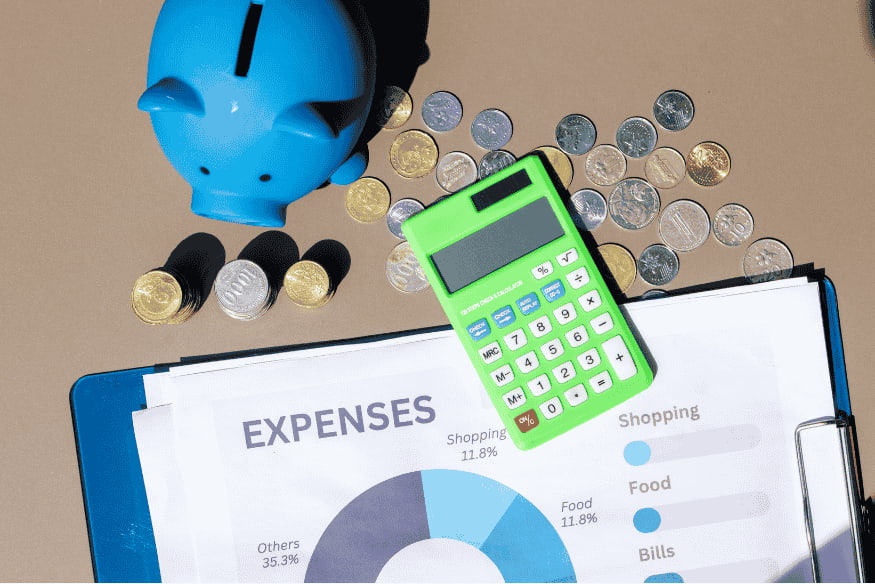
Before choosing any expense tracking methods, it helps to understand why tracking matters in the current economic reality. Everyday costs like housing, groceries, and transportation have risen in recent years, and many households feel they are just trying to keep up. Without any kind of control, small leaks in your budget can go unnoticed for months. A few extra food deliveries, forgotten subscriptions, or impulsive online buys can quietly derail your goals.
When you track your spending, you see patterns that are invisible in the moment: how often you really eat out, how much you pay in fees, or how quickly small purchases add up. This awareness helps you react faster to changes, adjust your budget with confidence, and avoid the stress of wondering where your money went at the end of the month.
Instead of feeling like your account balance is a mystery, you gain a simple, factual picture of your financial life. That clarity makes it easier to decide what to cut, what to keep, and where to direct your money next.
Low-Tech Methods for Paper-and-Pen People
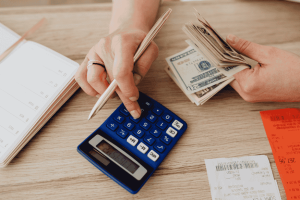
If you like things simple and tangible, low-tech expense tracking methods can be both effective and surprisingly relaxing. One of the easiest options is a daily spending log in a notebook. You write down each purchase with the date, category, and amount, then total your categories at the end of the week. This process only takes a few minutes per day but forces you to pause and notice what you are buying, which naturally reduces impulsive spending.
Another option is the envelope system. You set a spending limit for flexible categories like groceries, dining out, and entertainment, then put that amount of cash into separate envelopes. When the envelope is empty, you stop spending in that category until the next period. For people who tend to overspend with cards, this physical limit can be powerful and very clear.
You can also keep a monthly summary sheet where you record category totals to see trends over several months without ever opening a spreadsheet. By looking back at these summaries, you can spot patterns, adjust limits, and plan ahead for more expensive months such as holidays or back-to-school season.
App-Based Expense Tracking That Fits Your Lifestyle
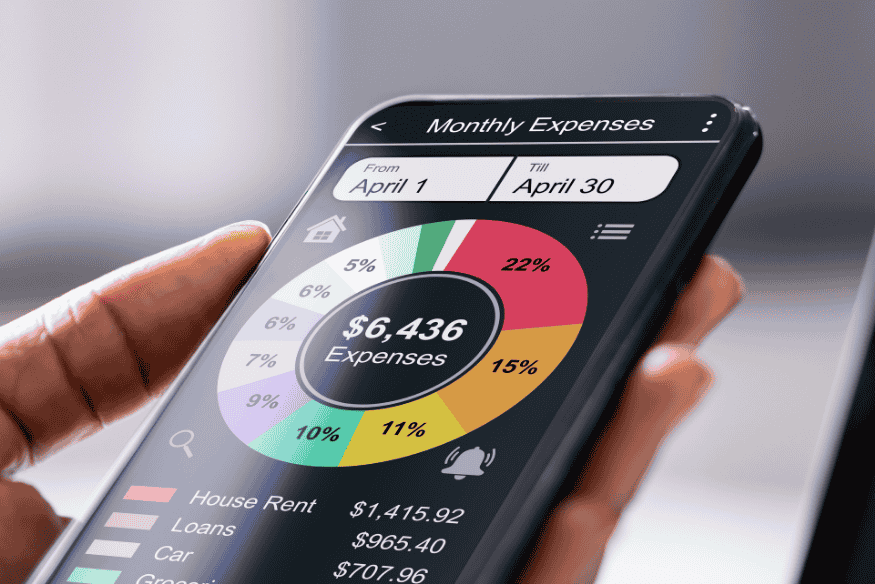
For those who live on their phone or computer, app-based expense tracking methods can remove a lot of manual work. Most modern budgeting or banking apps connect directly to your checking and credit card accounts, automatically importing transactions and sorting them into categories. Instead of entering every purchase by hand, you open the app a few times a week to see how much you have spent on food, transportation, shopping, or other categories.
When comparing apps, look for features that make your life easier: automatic categorization, customizable categories, clear charts or graphs, and alerts when you approach your spending limits. Many tools also let you set savings goals or track debt payoff, so you can see your progress over time in a visual way rather than just looking at numbers.
The key is to pick a tool that feels intuitive to you. If an app is too complex, you will avoid it; if it is simple and visual, it can quickly become part of your routine without adding stress. The right digital system works quietly in the background, giving you up-to-date information whenever you are ready to check in.
Building a Hybrid System: Let Tech Do the Math
A hybrid system combines different expense tracking methods so you can enjoy automation without losing control. In this setup, technology handles the data while you stay in charge of the decisions.
The first step is to connect your main accounts to a budgeting or expense-tracking app so every transaction is recorded automatically. You do not worry about missing anything because the app continually updates in the background. You can glance at your total spending by category at any time, without collecting receipts or entering every amount manually.
The second step is to schedule a weekly money check-in, a short moment when you look at your spending and reflect. During this check-in, you review your totals by category, notice any surprises, and ask yourself what needs adjustment for the coming week. Some people like to write down a quick summary in a notebook: what went well, what felt off, and one or two changes to try next.
This simple rhythm lets you keep a human perspective on the numbers. The app does the math and record-keeping; your weekly review adds meaning and direction. That mix is often less stressful than either a fully manual system or a completely automated one that you never actually think about.
How to Stick With Expense Tracking Long Term

The best expense tracking methods are the ones you can keep using month after month. To make tracking sustainable, it is important to match your system to your personality and build habits around it. If you love visuals, choose an app or spreadsheet that uses charts and color-coded categories. If you are more tactile, keep a notebook on your kitchen counter or desk and make it part of your morning or evening routine.
Start small by tracking just a few key categories, like groceries, transportation, debt payments, and fun money, instead of trying to track every cent. This reduces overwhelm and helps you focus on the areas that matter most. Attach your weekly review to something you already do, such as Sunday planning or payday, so it becomes a natural part of your schedule.
When you slip up or skip a week, treat it as feedback, not failure. Ask what made the process hard: was the app confusing, or was the notebook hard to find? Adjust your system to make it easier, not stricter. Over time, consistent tracking reduces financial surprises, builds confidence, and turns money management into a calmer, more intentional part of your life rather than a source of anxiety.
Conclusion
Expense tracking does not have to be rigid, complicated, or stressful. By choosing methods that fit your personality, whether that means a simple notebook, a powerful app, or a blend of both, you can finally see where your money goes and feel more in control of it.
Start with one small step today, like writing down your spending for the next three days or setting up an app to import your recent transactions. As you build the habit, you will gain clarity, reduce anxiety, and create space for goals that matter to you, from paying down debt to saving for future plans.